Bindjareb-Peel Geo Park Guide
Coastal Karst Formations
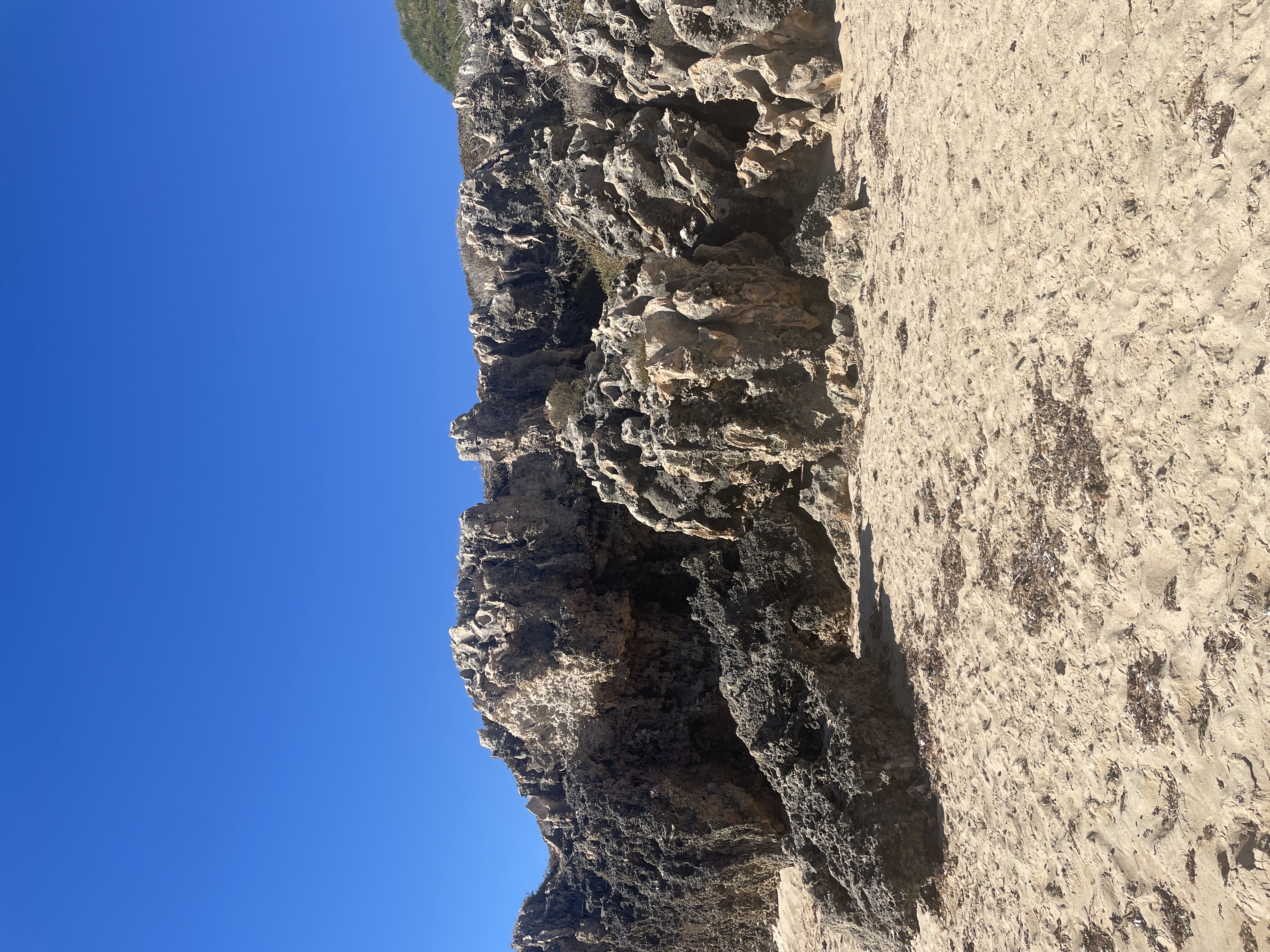
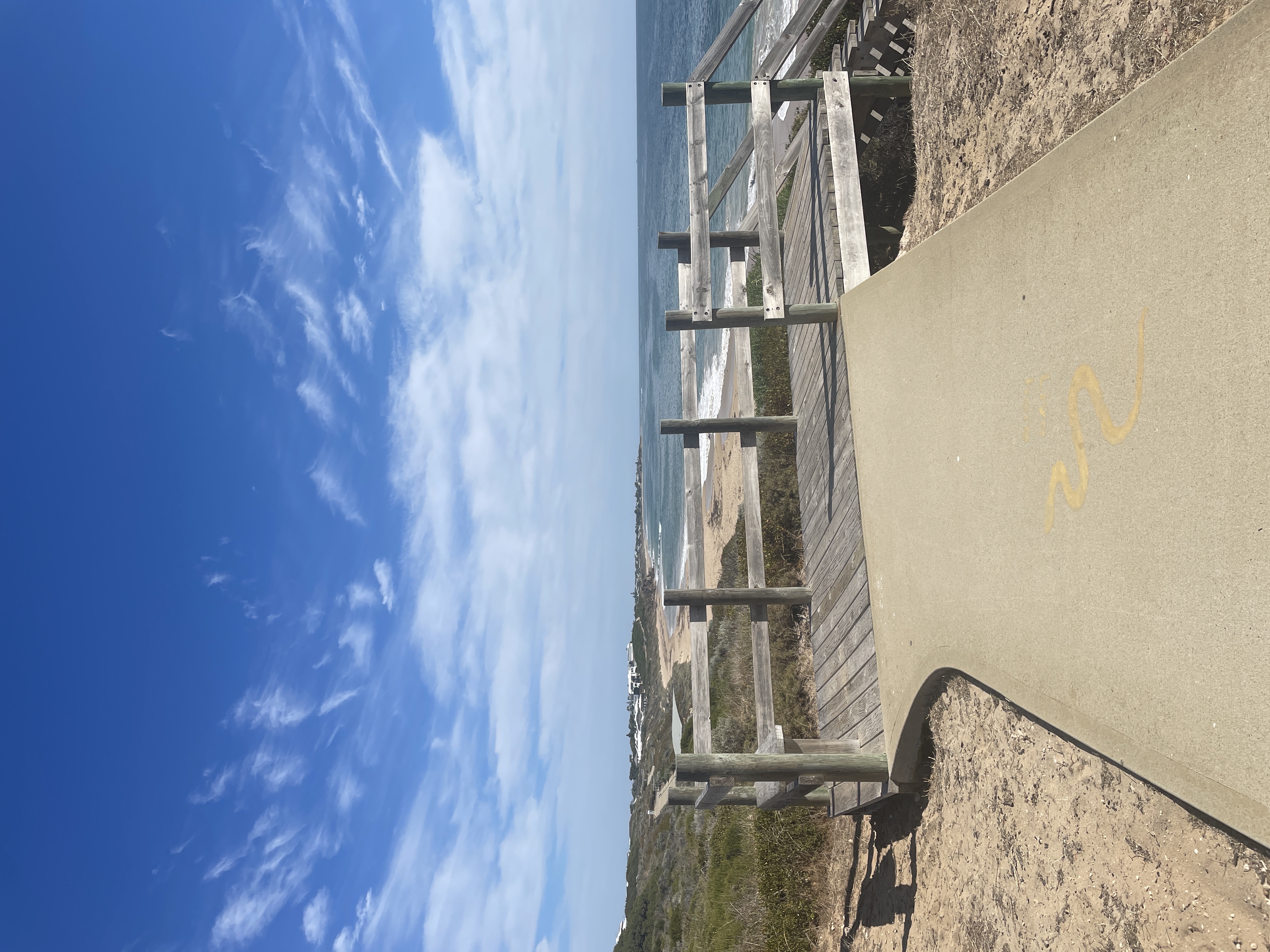
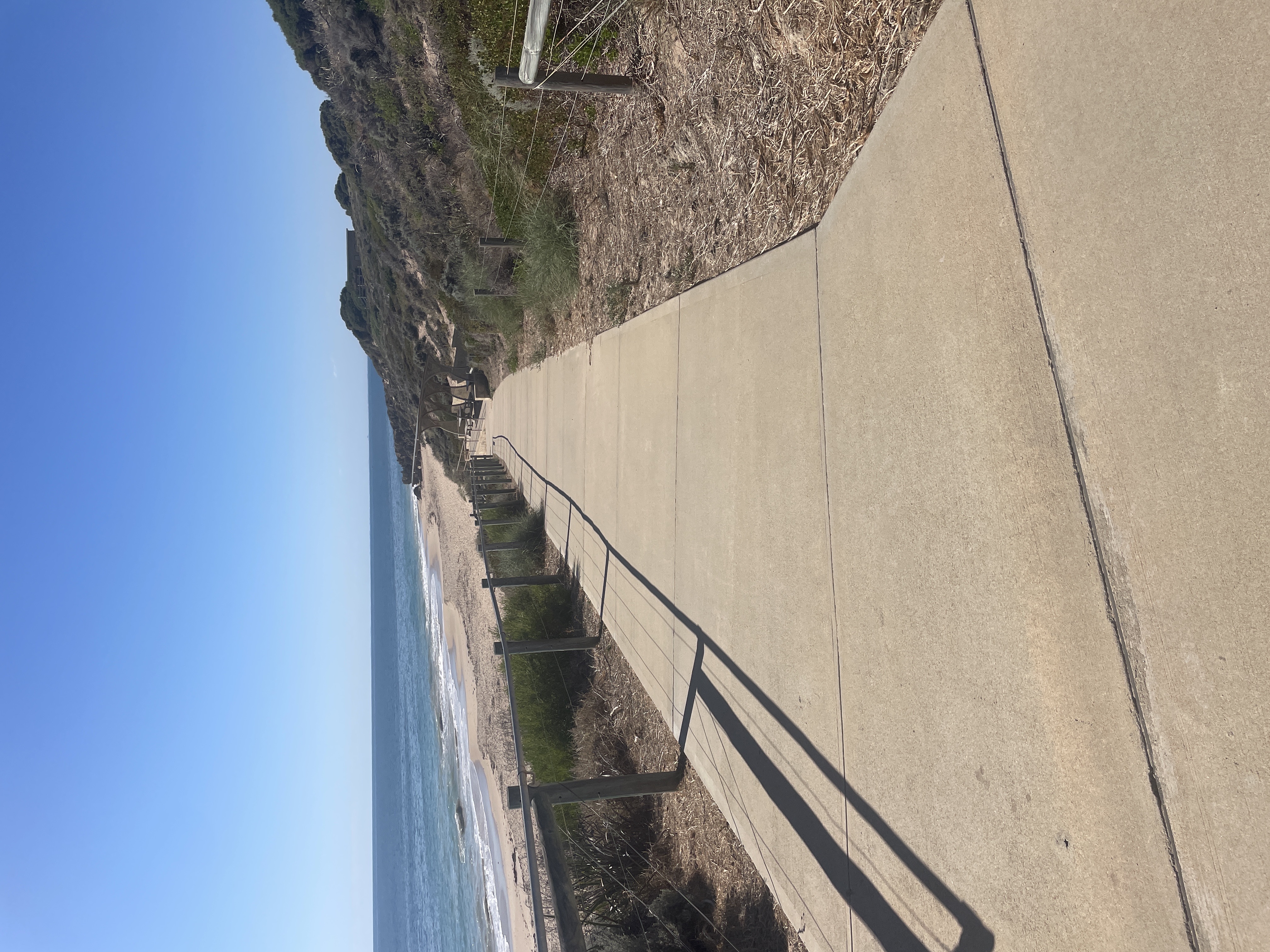
Coastal Karst Formations are located on the coastline of Seascapes Beach in Halls Head, roughly 75km South of Perth. The site features impressive ancient calcified tree roots (rhizoliths) that can be seen from the shoreline. Seascapes beach is not ideal for swimming, due to it's shallow onshore reef, however has great coastal walking tracks and rock pool exploration opportunities at low tide.
Accessibility
carparkhard surface pathramp
Activities
bird watchingcanoeing kayakingfishingnature photographyswimmingwalking
Astrophotography potential
No Astrophotography Potential
Astrophotography grade
None
Facilities
hotelnightime lightingpicnic areatoiletviewing platform
Way finding
No Way Finding Support
Address
Location
Acerosa Boulevard, Halls Head, Perth, Western Australia, 6210
Indigenous community
Bindjareb People
Land tenure
City of Mandurah
Entry road
Sealed Road (Bi-Directional)
Car park distance (m)
40
Entry fee
No
Infrastructure grade
7
Natural amenity
8
Plumbed infrastructure
Yes
Visible powerlines
No
Coordinates (lat, lng)
-32.558, 115.674
Food & drink
Boundary Island Brewery, Wedgetail Brewery
Tours & experiences
Halls Head Coastal Path
Site Highlights
You may also want to know...
- Coastal Karst Formations are located on the coastline of Seascapes Beach in Halls Head, roughly 75km South of Perth.
- The site features impressive ancient calcified tree roots (rhizoliths) that can be seen from the shoreline.
- Seascapes beach is not ideal for swimming, due to it's shallow onshore reef, however has great coastal walking tracks and rock pool exploration opportunities at low tide.
Biotic features
Flora: The vegetation along the coastline at seascapes is tough! It grows in loamy/lateric Quindalup soils. The unique flora and fauna found in the dunes provide important ecosystem services, including soil stabilisation and nutrient cycling. These local native plants have no problems living with our nutrient-poor sandy soils as they have adapted to hyper-saline and strong wind selection pressure that allow them to persist in poor soil conditions. The adaptations of local native plants include thick waxy cuticles, extensive-modified root systems, dormancy over summer, and specialised wind-animal seed dispersal mechanisms. The most dominant plants spotted along the Seascapes dune complex include: Coastal Beard-heath, Basket Bush and Grey Cottonheads.
Fauna: The bobtail lizard (often seen basking in the sun in the dunes), grey fan-tail (small, insect-eating bird), caspian, crested and fairy terns (seabirds) are commonly spotted along the Seascapes coastal path.
Abiotic features
The shoreline on which the karst features sit is interpreted as the southern extension of the Garden Island Ridge, which intersects the coastline at Halls Head (Semeniuk, 1995), and continues further south inland as the Mandurah Eaton Ridge. The coastal cliffs and outcrops represent the Pleistocene aeolian calcarenite and Tamala limestone which is overlain by the Quaternary Quindalup sand dunes. Features present include shoreline platforms, wave cut notches and splash zones, cross-cutting bedding, paleosol horizons, rhizolith fossil root structures, solution pipes, karst formations, and calcrete layers. The processes of erosion including physical, chemical and bioerosion can be witnessed along the shoreline.
Cultural aspects
European: The locality was named after Henry Edward Hall (1790–1859), who received a land grant of 6,715 hectares (16,594 acres) to establish a farm in the 1830s. Halls Head was officially gazetted as a suburb in 1970. It is the location of Hall’s Cottage, the single-storey stone house built by the Hall family in 1833 and the only extant early settler's cottage in the district.