Bindjareb-Peel Geo Park Guide
Creery Wetlands Nature Reserve
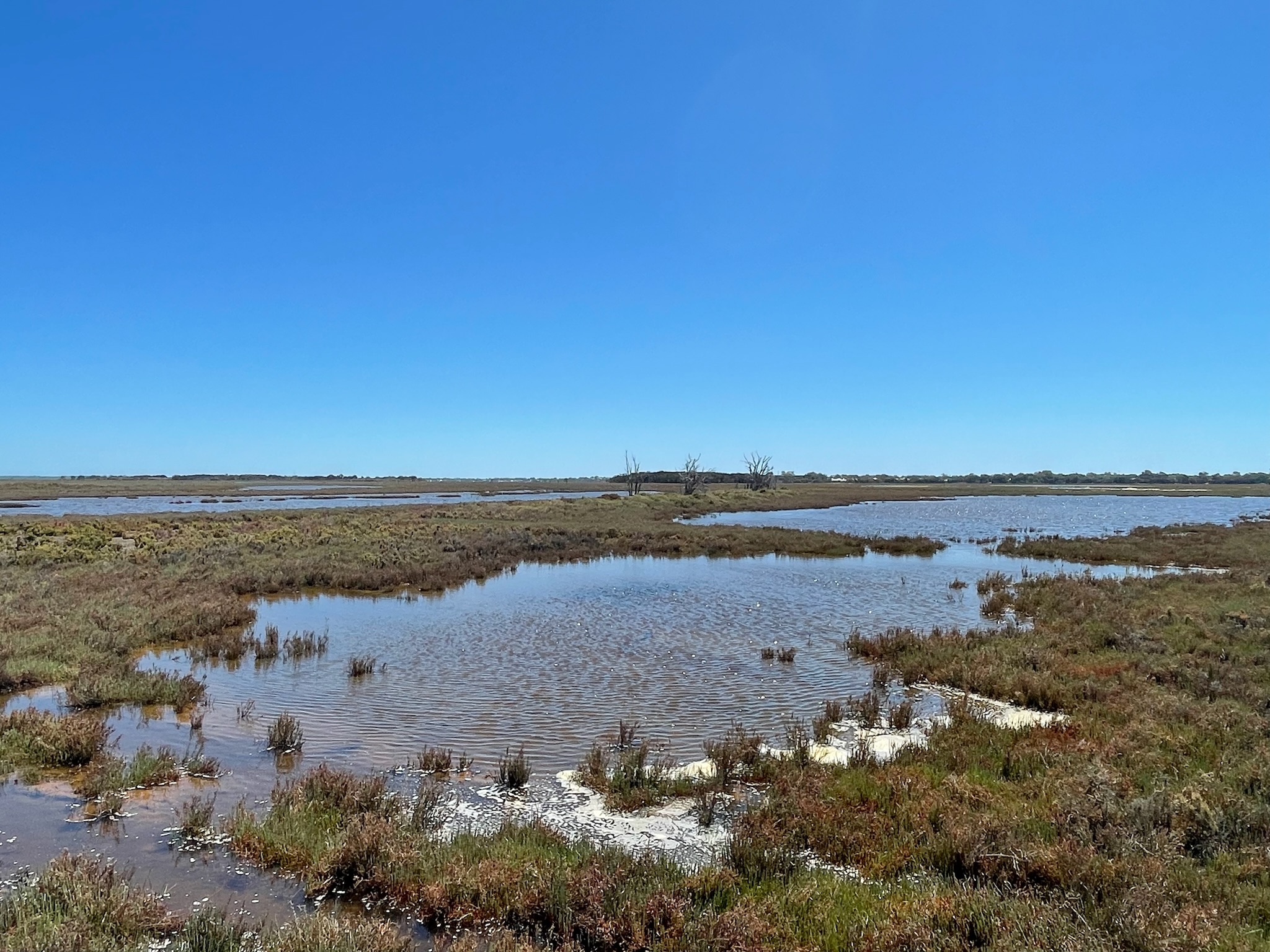
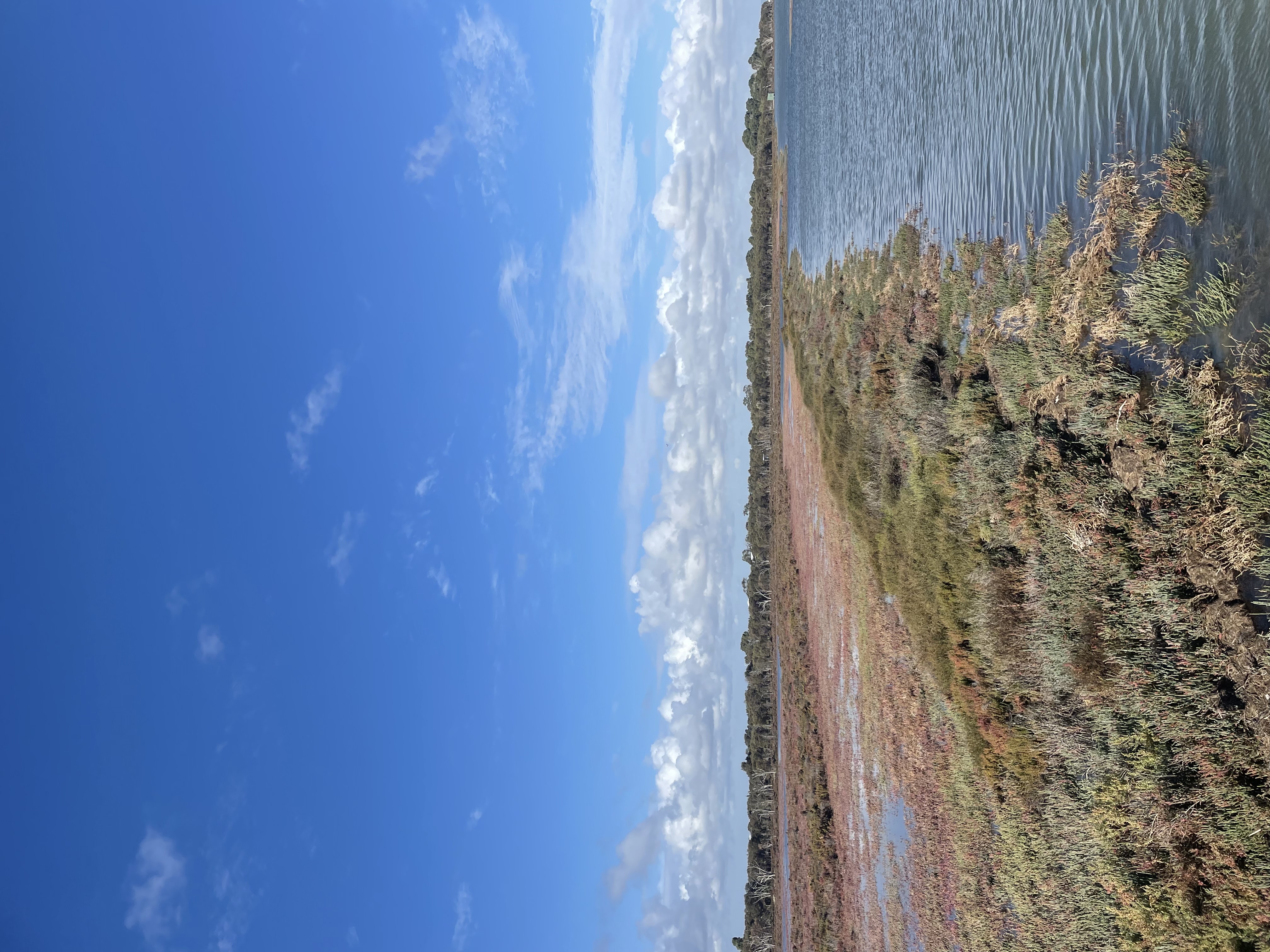
The Creery Wetlands Nature Reserve, situated in Mariners Cove Mandurah, stands as a hidden gem of ecological significance. This unspoiled wetland is renowned for its ecological diversity and cultural value. It provides a peaceful retreat and a rare chance for visitors to engage with the natural environment.
Accessibility
carparkdisability accessdisability parkinghard surface path
Activities
bird watchingboatingcanoeing kayakingmountain bikingnature photographywalking
Astrophotography potential
No Astrophotography Potential
Astrophotography grade
None
Facilities
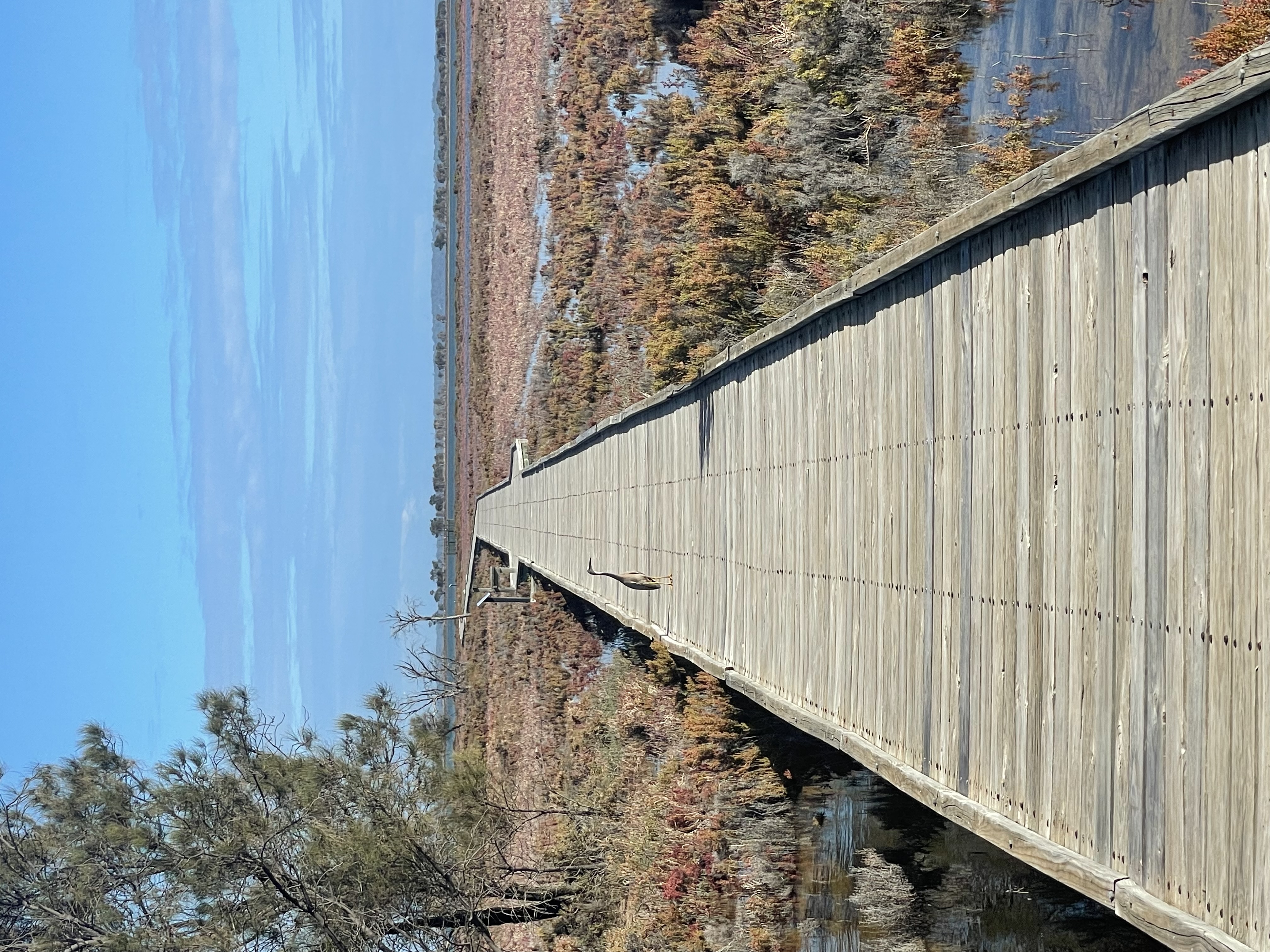
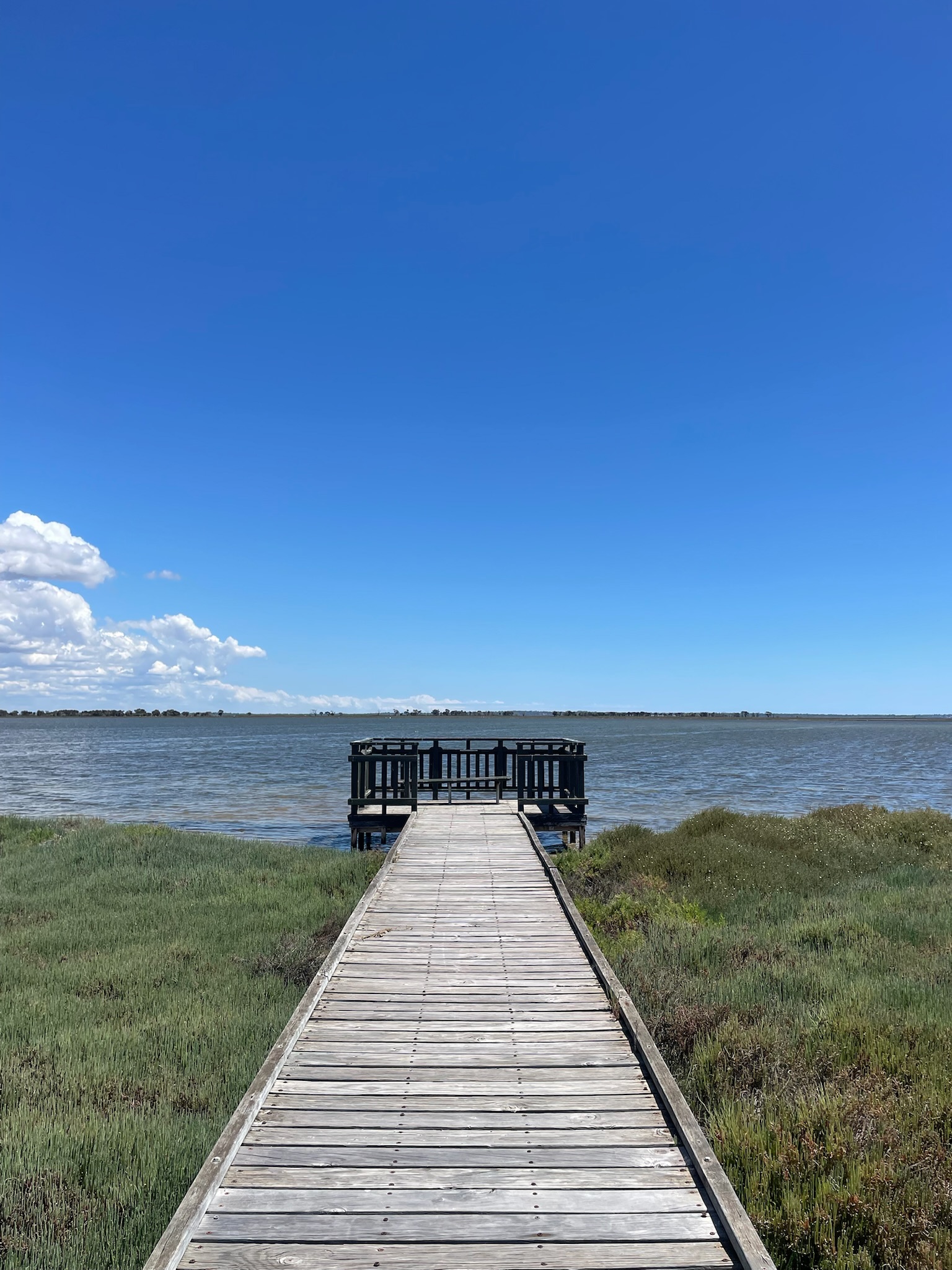
bike rackcampsitecaravan parkgrass areahotelpicnic areaviewing platform
Way finding
No Way Finding Support
Address
Location
Creery Wetlands Nature Reserve, Darwin Terrace, Dudley Park, Perth, Western Australia, 6210, AUS
Indigenous community
Bindjareb People
Land tenure
City of Mandurah
Entry road
Sealed Road (Bi-Directional)
Car park distance (m)
200
Entry fee
No
Infrastructure grade
8
Natural amenity
10
Plumbed infrastructure
No
Visible powerlines
No
Coordinates (lat, lng)
-32.555, 115.734
Food & drink
Peel Estate Wines, The Cray and Redmanna Waterfront Restaurant
Tours & experiences
Guided walking tour with Sarah Way from Ways to Nature (nature.visitmandurah.com.au)
Site Highlights
You may also want to know...
- The Creery Wetlands Nature Reserve, situated in Mariners Cove Mandurah, stands as a hidden gem of ecological significance.
- This unspoiled wetland is renowned for its ecological diversity and cultural value.
- It provides a peaceful retreat and a rare chance for visitors to engage with the natural environment.
Biotic features
Flora: The wetlands support approximately 13% of the tidal samphire communities within the Peel-Harvey Estuary (inHeritage, 1997). Along the estuary's edge, riparian zones are lined with saltwater paperbark (Melaleuca cuticularis), whose root systems play a key role in shoreline stability. Freshwater paperbark (Melaleuca rhaphiophylla) has experienced a decline over time due to increased saltwater intrusion. The margins of the wetlands are primarily vegetated by sedges and samphire species.
Fauna: Creery Wetlands are recognised as one of the most important sites for waterbirds within the Peel-Yalgorup system. Home to 138 species, migratory shorebirds, waterbirds. The wetlands are used by more than 20,000 birds annually including the black swan, pacific black duck and greenshanks. The Creery Wetlands Nature Reserve is the reintroduction site of quendas (southern brown bandicoots) as of 2004. The wetlands serve as an essential feeding and roosting habitat for up to 22 species of migratory shorebirds, travelling from North Asia and Alaska. The fringing vegetation and upland areas provide shelter for mammals such as the southern brown bandicoot (quenda), an important marsupial of the southwest.
Abiotic features
The Creery Wetlands are underlain by alluvial and lagoonal sediments, deposited along the southeastern edge of the Mandurah Channel and the northern section of the Peel Inlet. Around 18,000 years ago, when sea levels were approximately 150 metres lower, the Harvey and Murray Rivers likely flowed through what is now the Mandurah Channel, extending past Hall’s Head and across the coastal plain to reach the ocean. The estuarine system developed as sea levels rose, beginning around 8,000 years ago, and continued to rise until stabilising approximately 4,000 years ago at levels 0.3 to 3 metres above today’s shoreline. Sediment in the Creery Wetlands has been shaped by riverine input, marine influence, and wind, and is now coated with a thin layer of black, carbon-rich mud. Marine shell fragments found in coquina formations along the wetland’s beaches indicate a history of stronger marine conditions
Cultural aspects
Aboriginal History: Long before being designated for conservation, the wetlands were deeply significant to the Bindjareb Noongar people, offering food, resources, and spiritual connection over generations. Their enduring cultural heritage continues to be recognised and respected, reinforcing the wetlands' importance as both a natural and cultural landscape. The wetlands also contain a mass grave of local Aboriginals who died from disease (probably measles) in the 1860s.