
Bindjareb-Peel Geo Park Guide
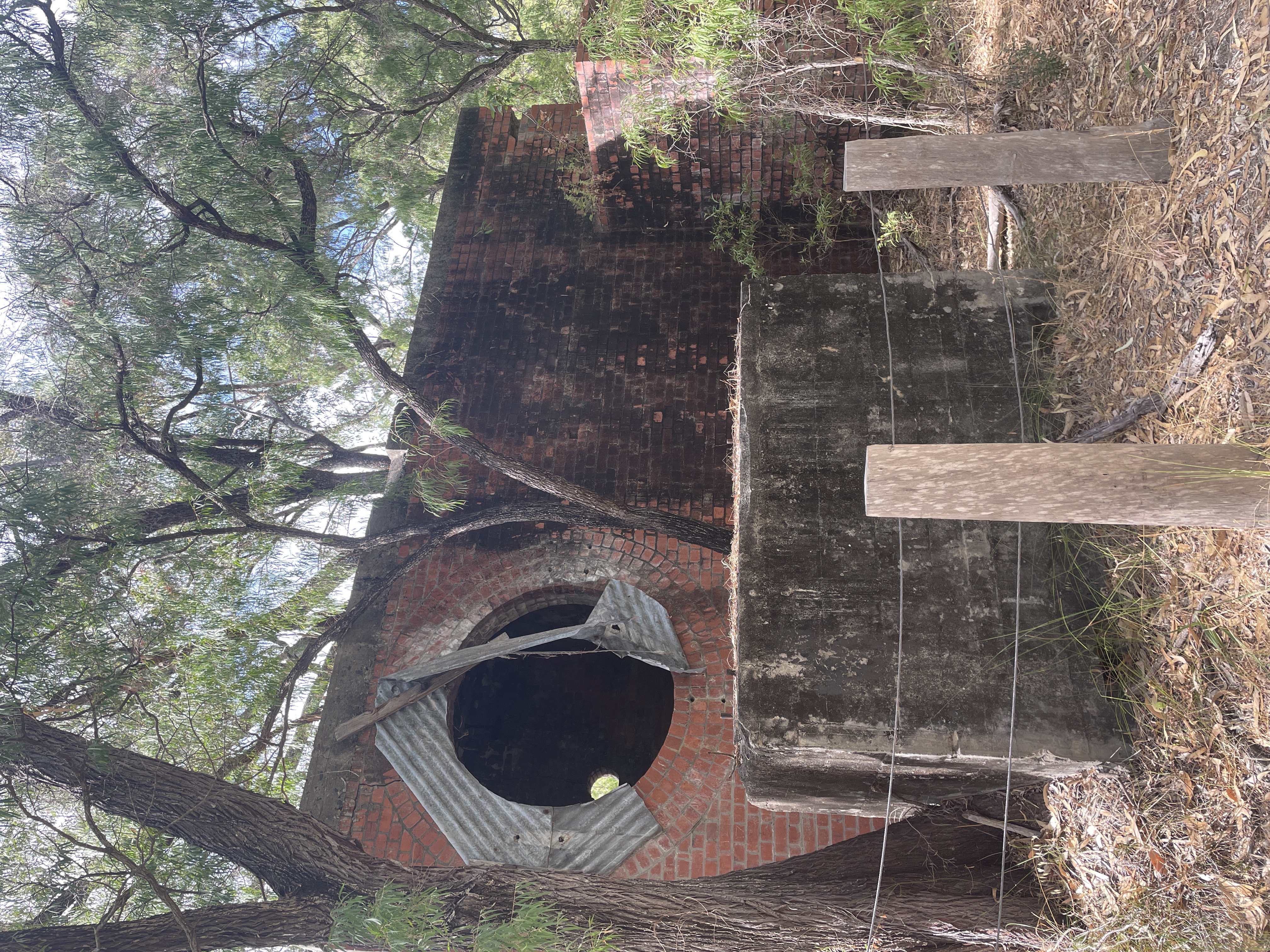
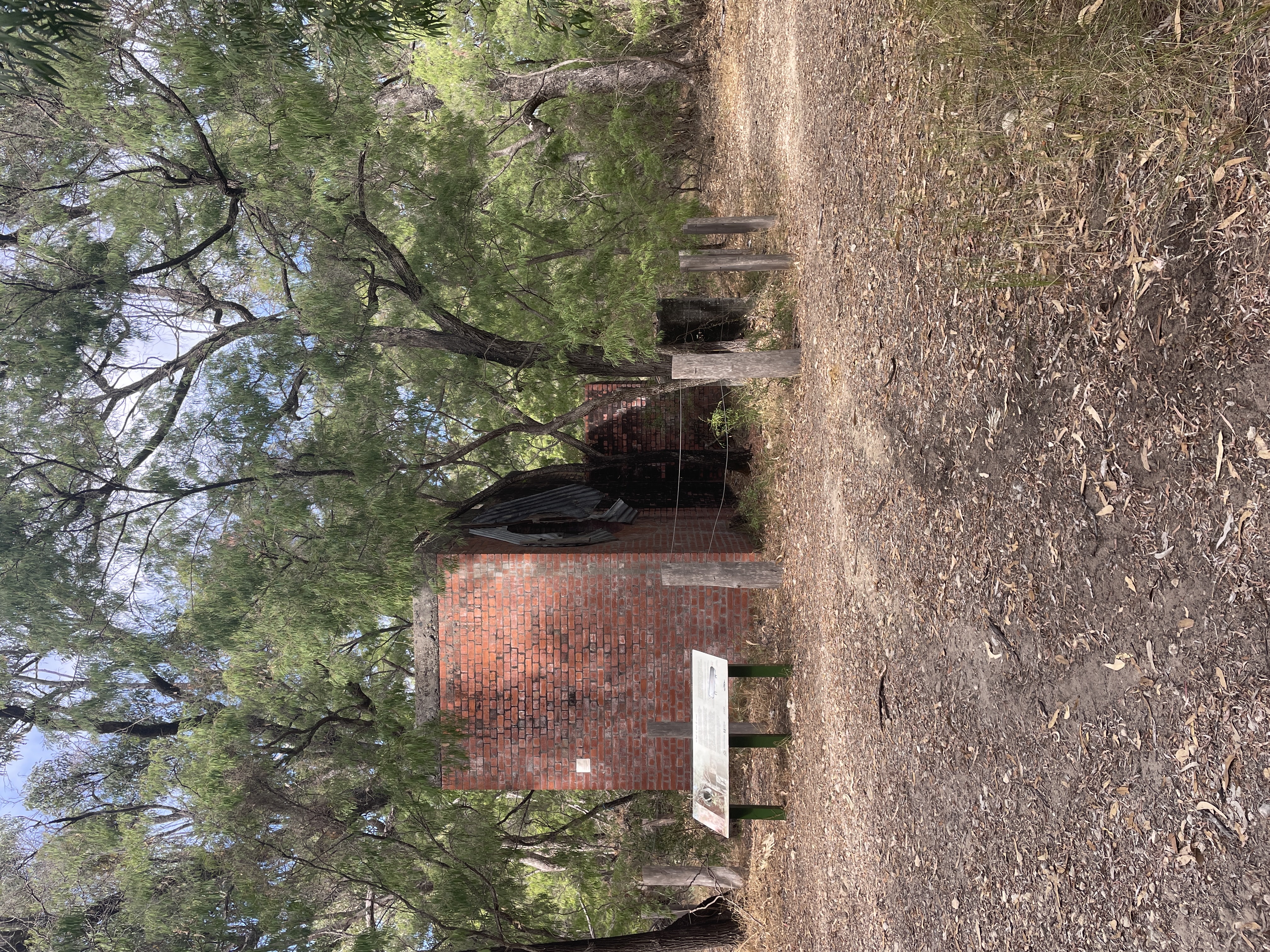
Lake Clifton Lime Kiln
The Lake Clifton Lime Kiln was originally part of the Western Australian Portland Cement Company’s lime project that operated between 1919 and 1923. The lime kiln is among the few surviving remnants of the old Lake Clifton settlement, which the WA Portland Cement Company established as a company town in 1920.
Accessibility
carparksoft surface path
Activities
bird watchingnature photographywalking
Astrophotography potential
No Astrophotography Potential
Astrophotography grade
None
Facilities
campsitecaravan parkpicnic area
Way finding
No Way Finding Support
Address
Location
Newnham Road Lake Clifton
Indigenous community
The Bindjareb people
Land tenure
Shire of Waroona
Entry road
Unsealed Road (Gravel)
Car park distance (m)
80
Entry fee
No
Infrastructure grade
4
Natural amenity
5
Plumbed infrastructure
No
Visible powerlines
No
Coordinates (lat, lng)
-32.815, 115.683
Food & drink
Thorny Devil Brewery
Tours & experiences
Lime Kiln Lake Trail
Site Highlights
You may also want to know...
- The Lake Clifton Lime Kiln was originally part of the Western Australian Portland Cement Company’s lime project that operated between 1919 and 1923.
- The lime kiln is among the few surviving remnants of the old Lake Clifton settlement, which the WA Portland Cement Company established as a company town in 1920.
Biotic features
Flora: The current conservation values of the native vegetation and thrombolites may have suffered irreversible damage if the lime works had proved successful. The area was cleared during the time of the building of the lime kiln. Regrowth includes peppermint (Agonis flexuosa) dominant woodland, with tuart and banksias present. The understory contains many native species, including terrestrial orchids. Towards the edge of Lake Clifton is sedgeland and samphire marsh that includes open low heath and very open herbland. Peppermint and tuart trees provided shelter and medicinal resources for the Aboriginal people. Peppermint trees offer critical nesting spots for migratory waterbirds in the fringing wetlands, particularly the ospreys. Fauna: In the woodland and tuart forests, you may see western grey kangaroos, emus, and brush wallabies at dawn or dusk. Nocturnal species include the brush‑tailed possum and echidna, both well-adapted to the park’s diverse habitats. Historically, the quokka once inhabited the area but has disappeared due to predation by foxes. Woodland species like parrots, kingfishers, grebes, coots and dotterels are often spotted around sun-dappled lakeshores and forest edges.
Abiotic features
Lake Clifton deposit of marl (carbonate sand, clay & shell) was initially mined to extract lime for making cement. The limestone here is primarily aeolianite (cemented wind-blown sand), formed during the Pleistocene when sea levels fluctuated, creating consolidated dune systems. The soils around Lake Clifton consist mainly of sandy and calcareous soils derived from weathered limestone and dune sands. The initial assessment of the lime was from the top of the lakebed and was suitable for cement making however as the dredging got deeper the marl was found to be inferior quality and unstable for cement manufacture due to the high bio-organism contents. The geological resource proved to be unsuitable for its intended purpose.
Cultural aspects
European: In April 1916, John Henry Johnson secured a lease at Lake Clifton through an Act of Parliament to extract lime deposits, with a condition that a railway to Waroona be built within two years—giving the government the option to purchase the line. The West Australian Portland Cement Company was established in 1918, setting up the state's first cement plant in Burswood (now Rivervale), ending reliance on imports from the eastern states. Lime-marl extraction began at Lake Clifton in 1919, and the railway was completed by March 1921 to transport lime-marl via rail to Waroona and then to Perth via the South West Railway line. However, the project quickly failed due to the poor quality of the lime-marl, leading to bankruptcy and the closure of operations in 1923. The government took over the Lake Clifton Railway line railway in 1922 and shut it down in 1924, repurposing its materials for the Lake Grace–Newdegate railway.