Bindjareb-Peel Geo Park Guide
Lake Clifton Microbialite Reef
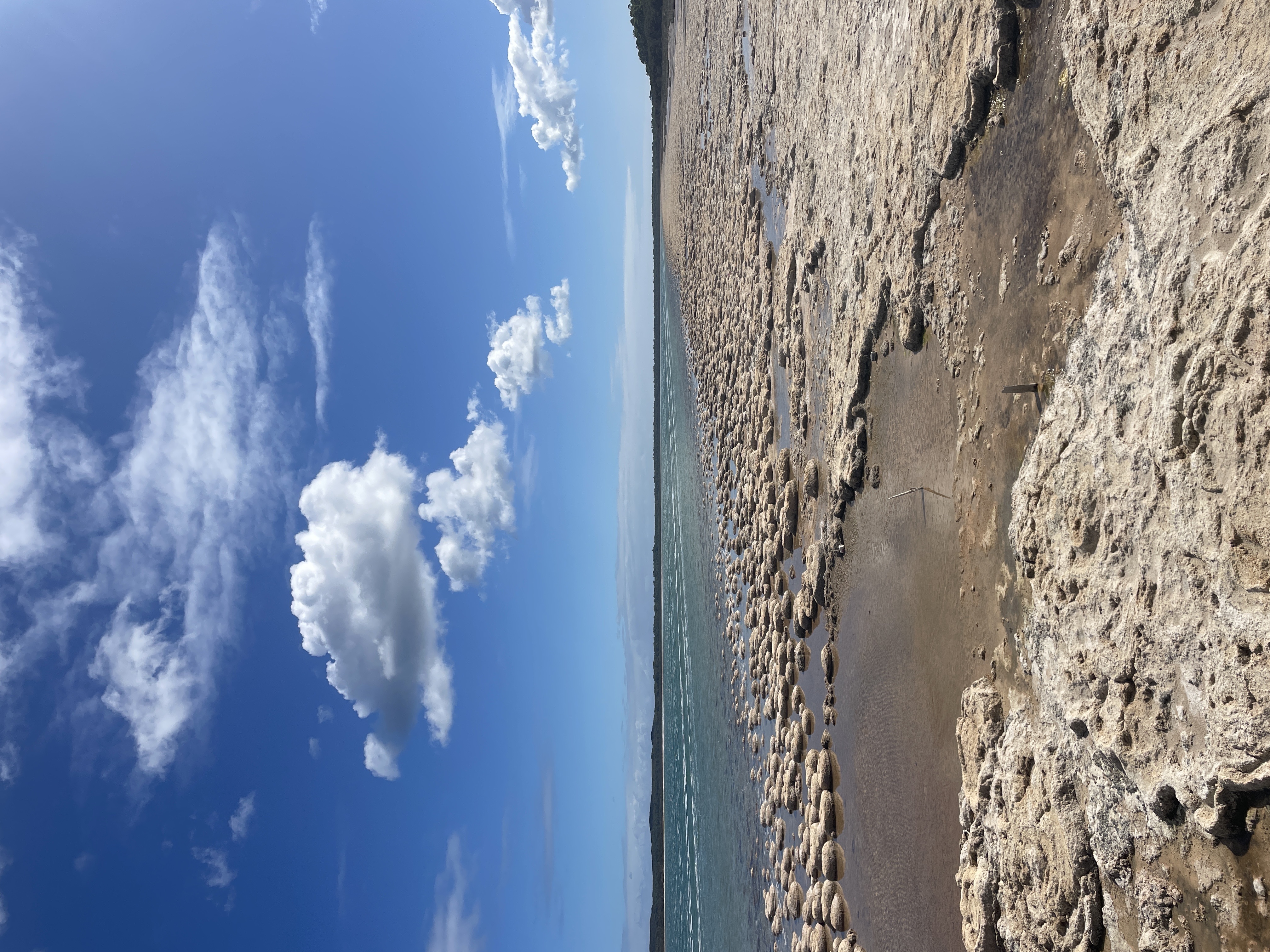
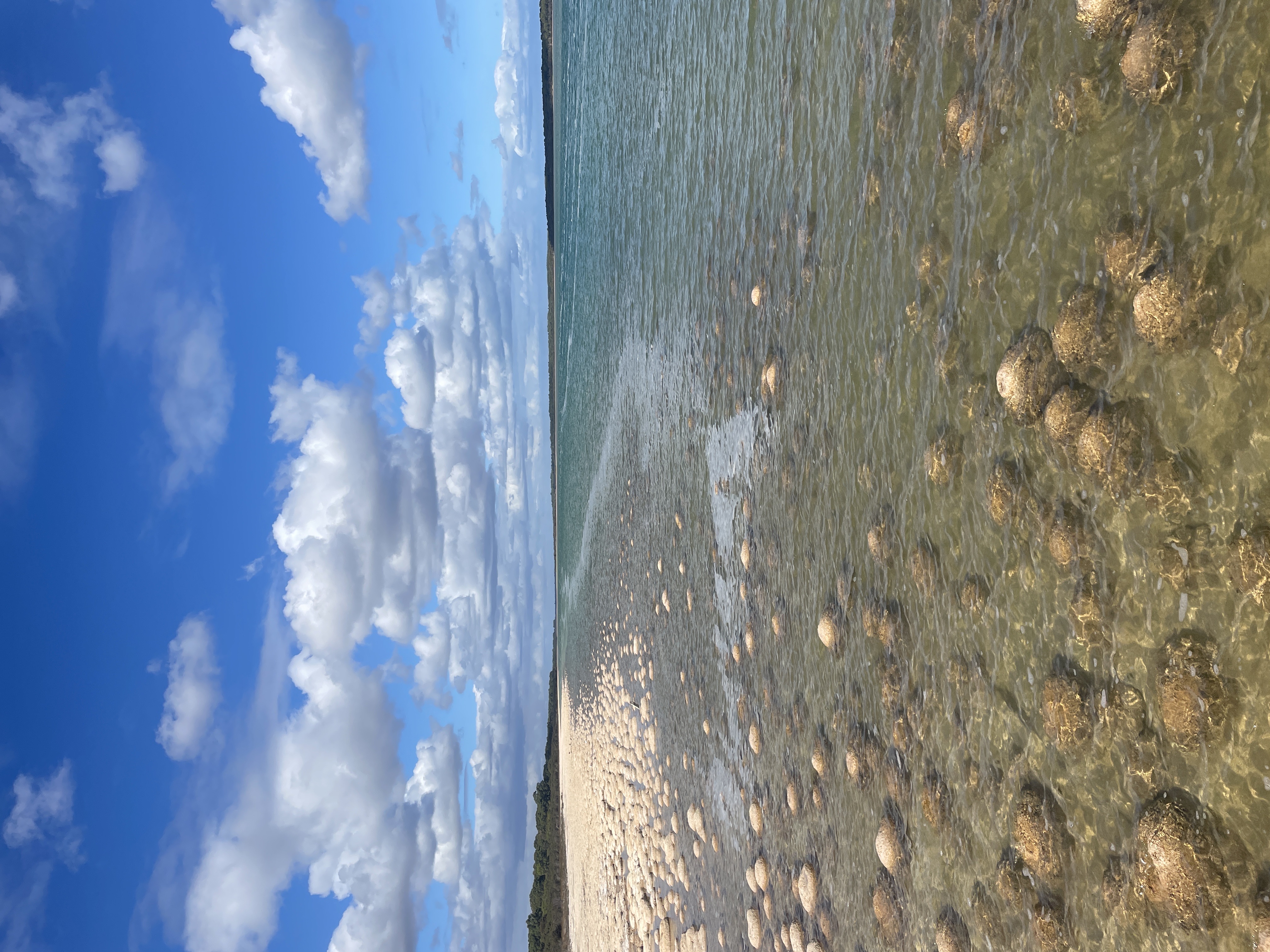
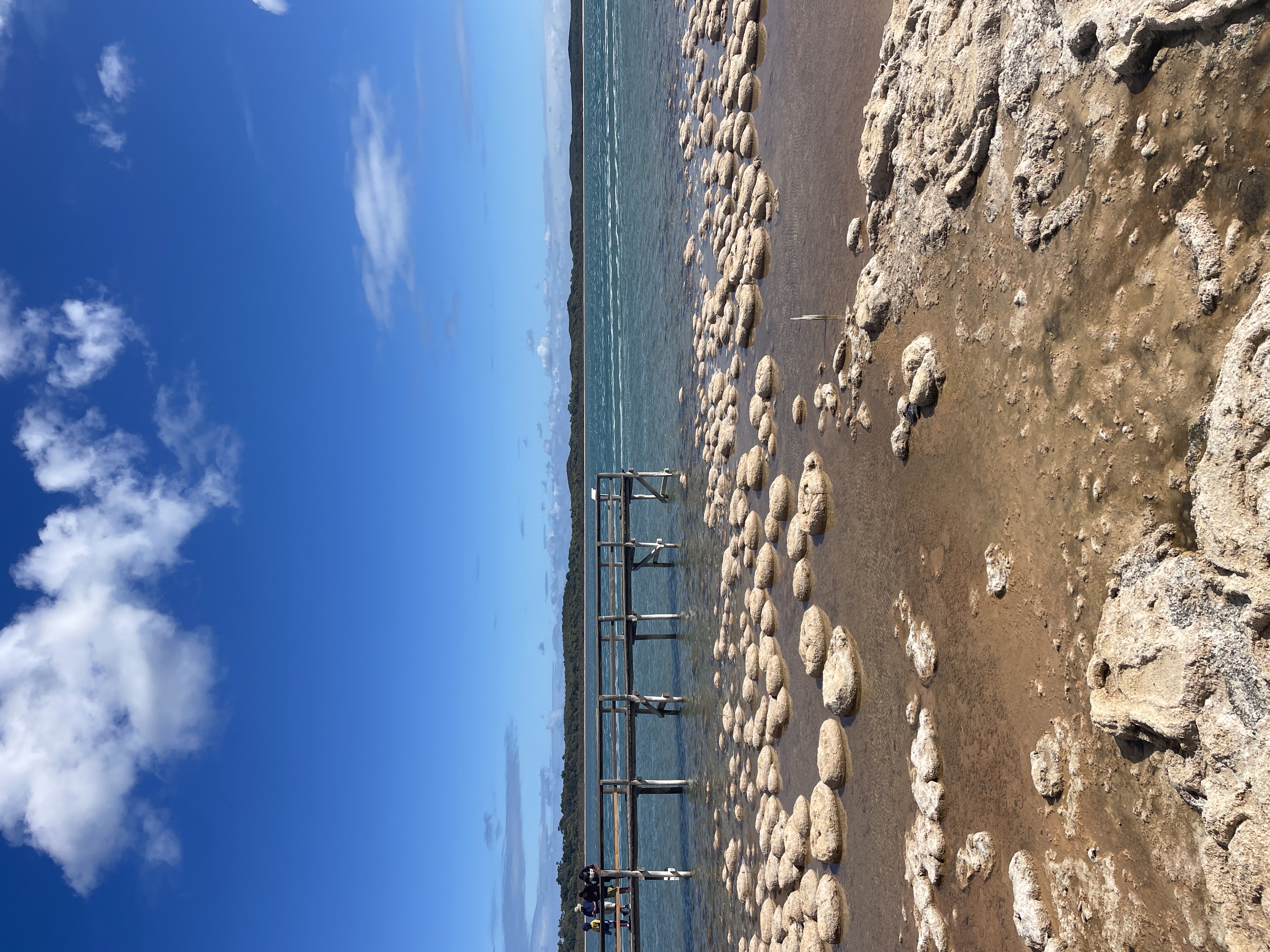
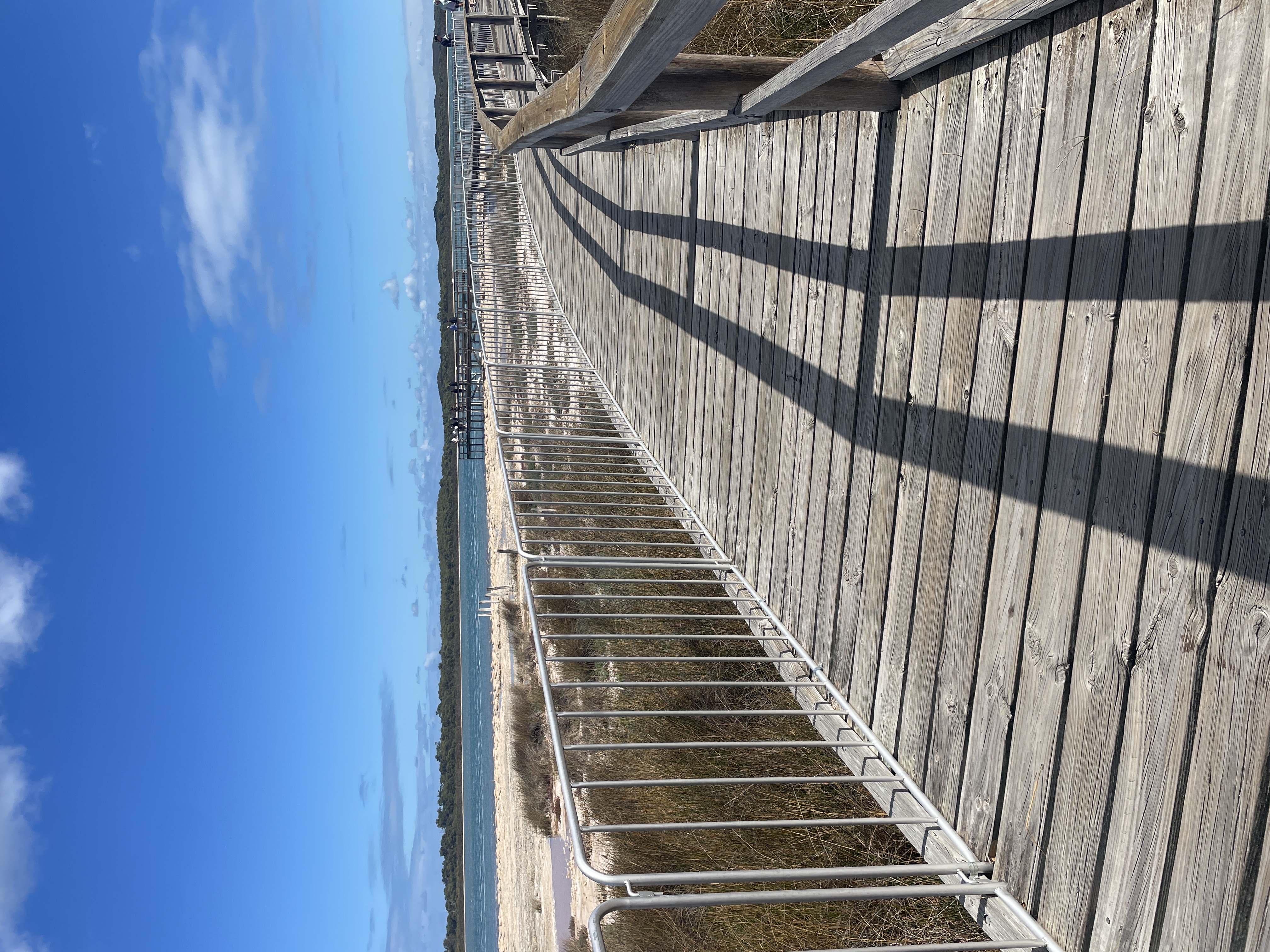
The Lake Clifton Thrombolites are a modern microbialite reef located within Yalgorup National Park, just south of Mandurah. These rock-like formations are among the planet’s oldest life forms, dating back approximately 570 million years, producing oxygen that paved the way for all subsequent life.
Accessibility
carparkdisability accessdisability parkinghard surface path
Activities
bird watchingnature photographywalking
Astrophotography potential
No Astrophotography Potential
Astrophotography grade
None
Facilities
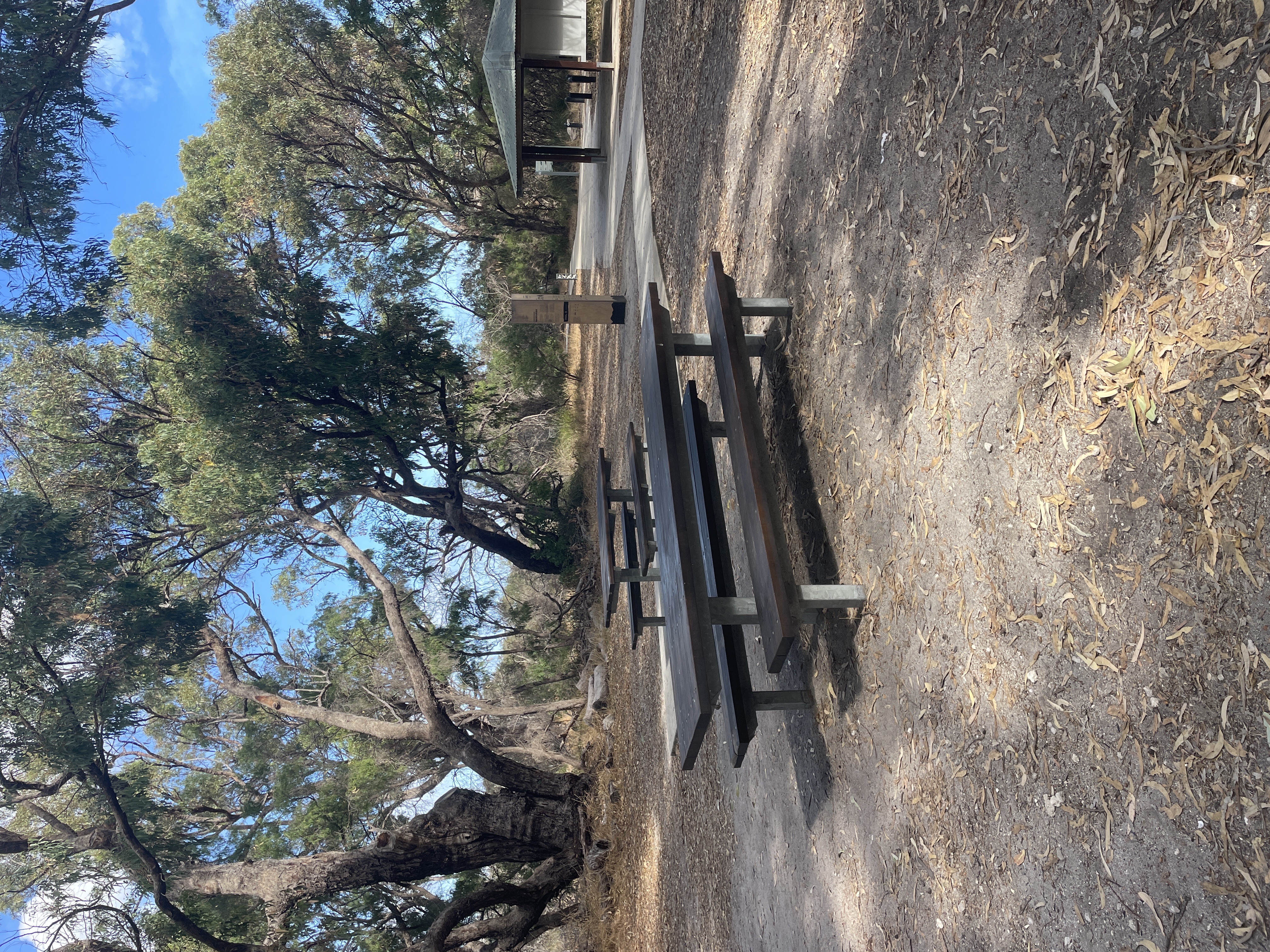
campsitecaravan parkpicnic areatoiletviewing platform
Way finding
No Way Finding Support
Address
Location
Lake Clifton Thrombolites, Mount John Road, Herron, Mandurah, Western Australia, 6211, AUS
Indigenous community
The Bindjareb people are the Traditional Owners of Yalgorup National Park
Land tenure
Shire of Waroona
Entry road
Sealed Road (Bi-Directional)
Car park distance (m)
60
Entry fee
No
Infrastructure grade
7
Natural amenity
10
Plumbed infrastructure
Yes
Visible powerlines
No
Coordinates (lat, lng)
-32.745, 115.668
Food & drink
Thorny Devil Brewery, Wattsies Place (Family-owned seafood monger)
Tours & experiences
Yaburgurt Trail – Heritage and Historical Tour Bus & Walking + River, Estuary & Ocean Tour + Mandjoogoordap Dreaming Tour
Site Highlights
You may also want to know...
- The Lake Clifton Thrombolites are a modern microbialite reef located within Yalgorup National Park, just south of Mandurah.
- These rock-like formations are among the planet’s oldest life forms, dating back approximately 570 million years, producing oxygen that paved the way for all subsequent life.
Biotic features
The Thrombolites are a critically endangered biotic community, formed by complex associations of photosynthetic prokaryotes, eukaryotic microalgae and both chemoautotrophic and chemoheterotrophic microbes. Microbialites are discrete organic sedimentary structures formed by the activities of specific benthic microbial communities (BMCs). Cyanobacteria (‘blue-green algae’) dominates microbial communities involved in the formation of thrombolites. The metabolic activity of the microbes relies on sunlight for photosynthesis and the supply of calcium-rich groundwater for growth. These processes form a diverse metazoan fauna living within the reef structure. Unlike corals, however, the hard carbonate structures of microbialites are the result of mineralisation in the biochemical environment and are not skeletal. Microbialites are also one of the oldest life forms on Earth, and can therefore provide evidence as to the nature of historical environments.
Abiotic features
Thrombolites are a form of microbialite structures formed by photosynthetic microbes that precipitate calcium carbonate. The cyanobacteria present in ancient stromatolites are a likely source of increased levels of oxygen in the atmosphere 2200-2400 million years ago. Complex abiotic interactions occur with the surface water and groundwater chemistry, lake sedimentation, wind patterns and climate, all influence the Thrombolite community. Western Australia contains a rich microbialite fossil record as well as the greatest number and most varied types of living microbialites in the world. This site provides valuable evidence on the nature of historic environments, aiding in the interpretation of the Earth’s earliest biosphere. Lake Clifton supports the largest known examples of living nonmarine microbialites in the southern hemisphere. Radiocarbon dating indicates that the Lake Clifton thrombolites began to form up to 1950 years ago. Seasonal fluctuations in the Lake Clifton water levels expose the Thrombolites in summer and submerge them during winter. Complex abiotic interactions occur with the surface water and groundwater chemistry, lake sedimentation, wind patterns and climate, all influence the Thrombolite community. Lake Clifton was the first place in the world where modern thrombolites were scientifically compared with modern stromatolites. The first published report on the organic sedimentary features at Lake Clifton was made in 1912.
Cultural aspects
Aboriginal: The Thrombolites hold a significant place in the Dreaming stories for the Noongar People and explain how the local waterways were created (Walley, 2019)
The Noongar name for the Thrombolites is ‘Woggaal Noorooks’.George Walley explains that “the lakes were created by the Woggaal Maadjit, and she came in from where Port Mandurah is, from the ocean… and created the waterways”. Woggaal Maadjit came in and created a waterway, bringing salt water to a point. She also went up to the hills and brought down fresh water. This site is where the Woggaal left her eggs (Walley, 2019) . In Noongar creation beliefs, the Thrombolites Lake Clifton was a very special meeting place after the ‘last rains’ (winter), where people would come to trade - (Nannup, 2019). This is a site of significant cultural importance to the Peel region, especially for the Aboriginal people and the wider community.