Bindjareb-Peel Geo Park Guide
Lake McLarty
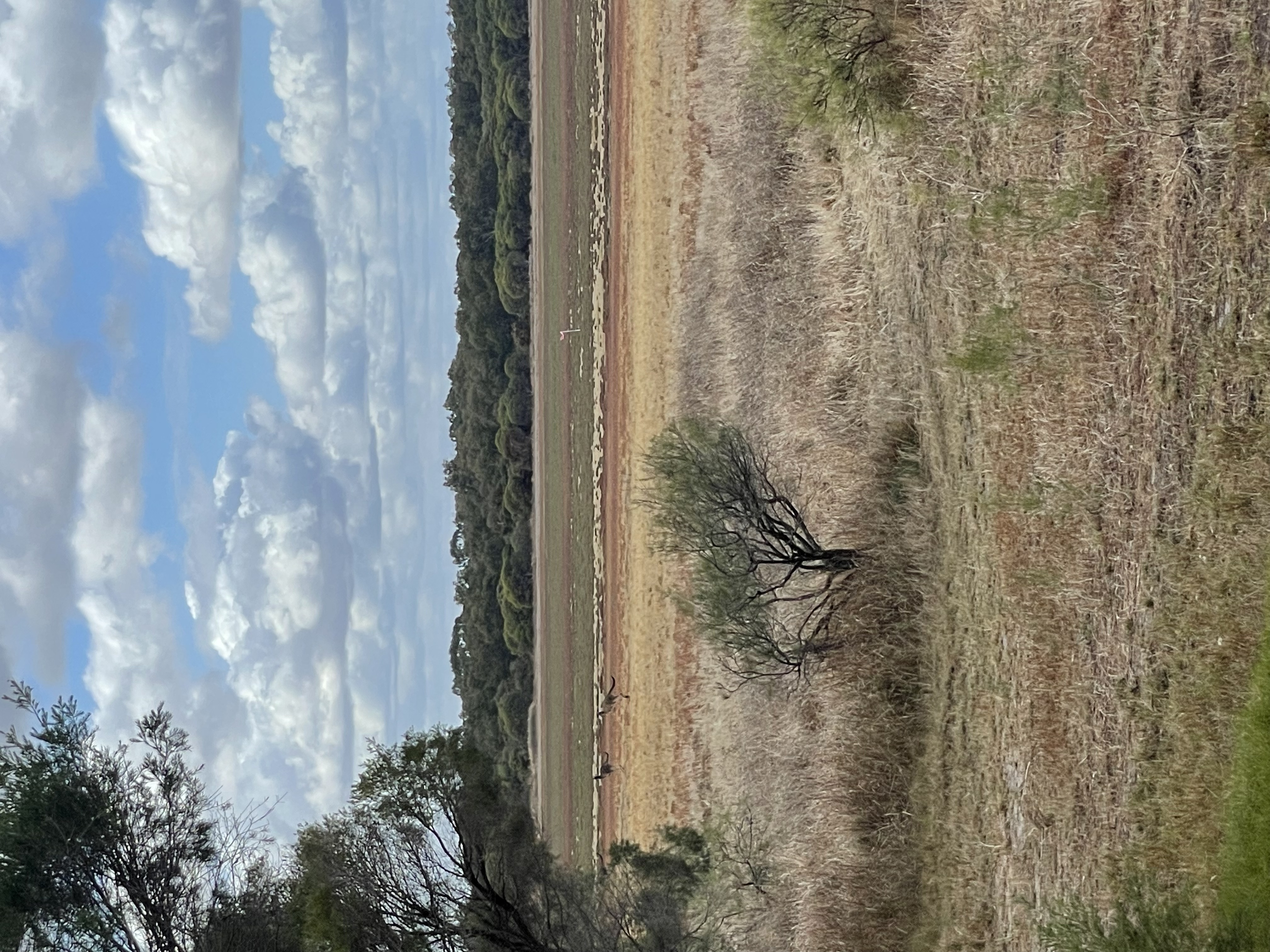
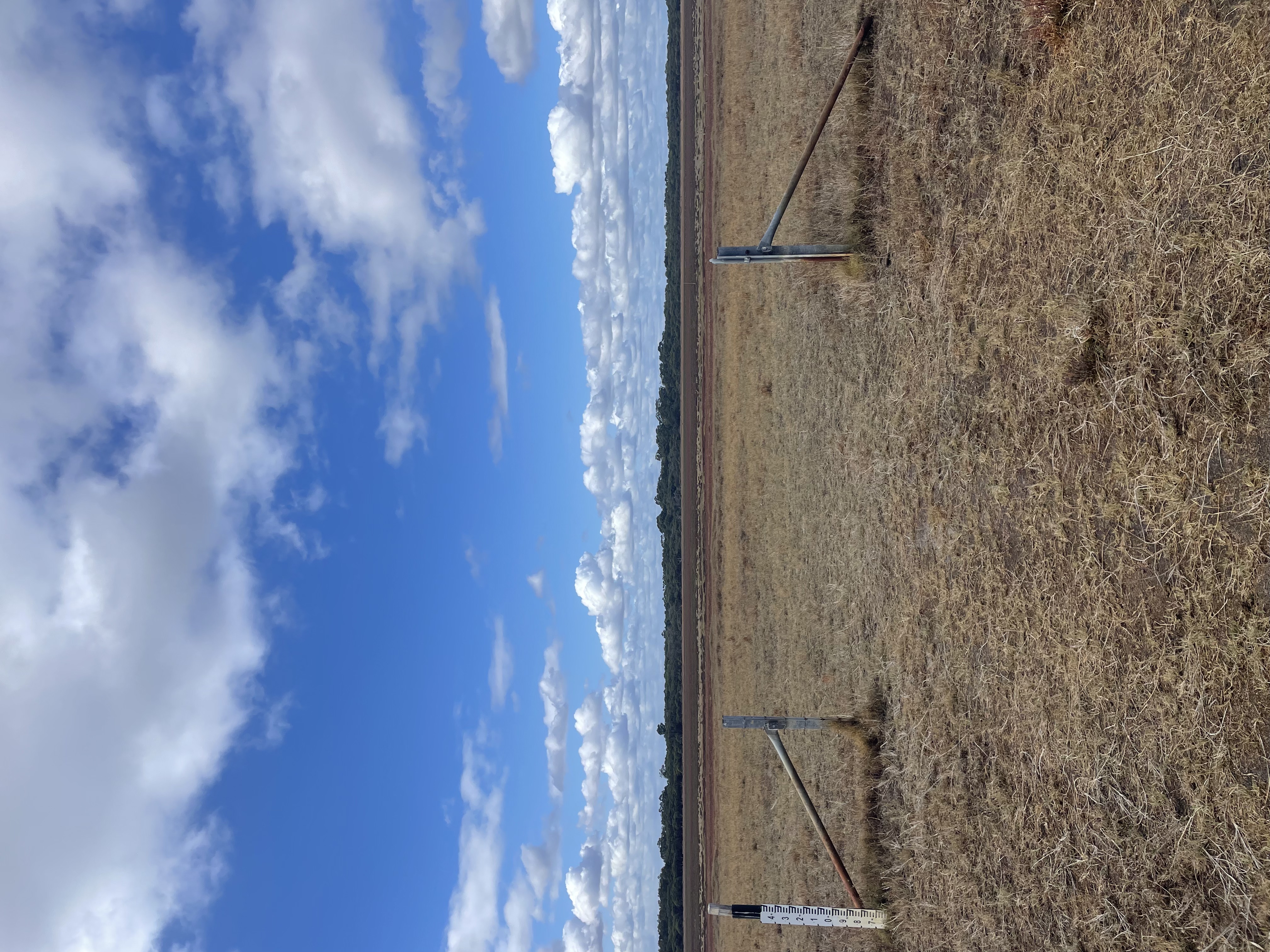
Lake McLarty Nature Reserve sits on the eastern side of the Peel-Harvey Estuary. Lake McLarty is a 219ha freshwater lake nature reserve and is regarded as one of the best wetlands in WA.
Accessibility
carparksoft surface path
Activities
bird watchingcanoeing kayakingnature photography
Astrophotography potential
No Astrophotography Potential
Astrophotography grade
None
Facilities
campsitecaravan parknightime lighting
Way finding
No Way Finding Support
Address
Location
Lake McLarty, Western Australia, AUS
Indigenous community
Bindjareb People - There are no known Aboriginal heritage sites specifically located around Lake McLarty
Land tenure
The Department of Parks and Wildlife
Entry road
Sealed Road (Bi-Directional)
Car park distance (m)
60
Entry fee
No
Infrastructure grade
2
Natural amenity
5
Plumbed infrastructure
No
Visible powerlines
No
Coordinates (lat, lng)
-32.705, 115.716
Tours & experiences
BILYA CULTURAL TRAIL
Site Highlights
You may also want to know...
- Lake McLarty Nature Reserve sits on the eastern side of the Peel-Harvey Estuary.
- Lake McLarty is a 219ha freshwater lake nature reserve and is regarded as one of the best wetlands in WA.
Biotic features
Fauna: Covering 163 hectares, Lake McLarty supports a rich and diverse assemblage of waterbirds, with summer counts often exceeding 20,000 individuals all year round (Visit Mandurah, 2025). It plays a critical role for two Australian resident wader species including the red-necked avocet (Recurvirostra novaehollandiae) and red-capped plover (Charadrius ruficapillus) and consistently hosts over 1% of their national populations. This meets the criteria for international importance under the Ramsar Convention (DEC, 2008).
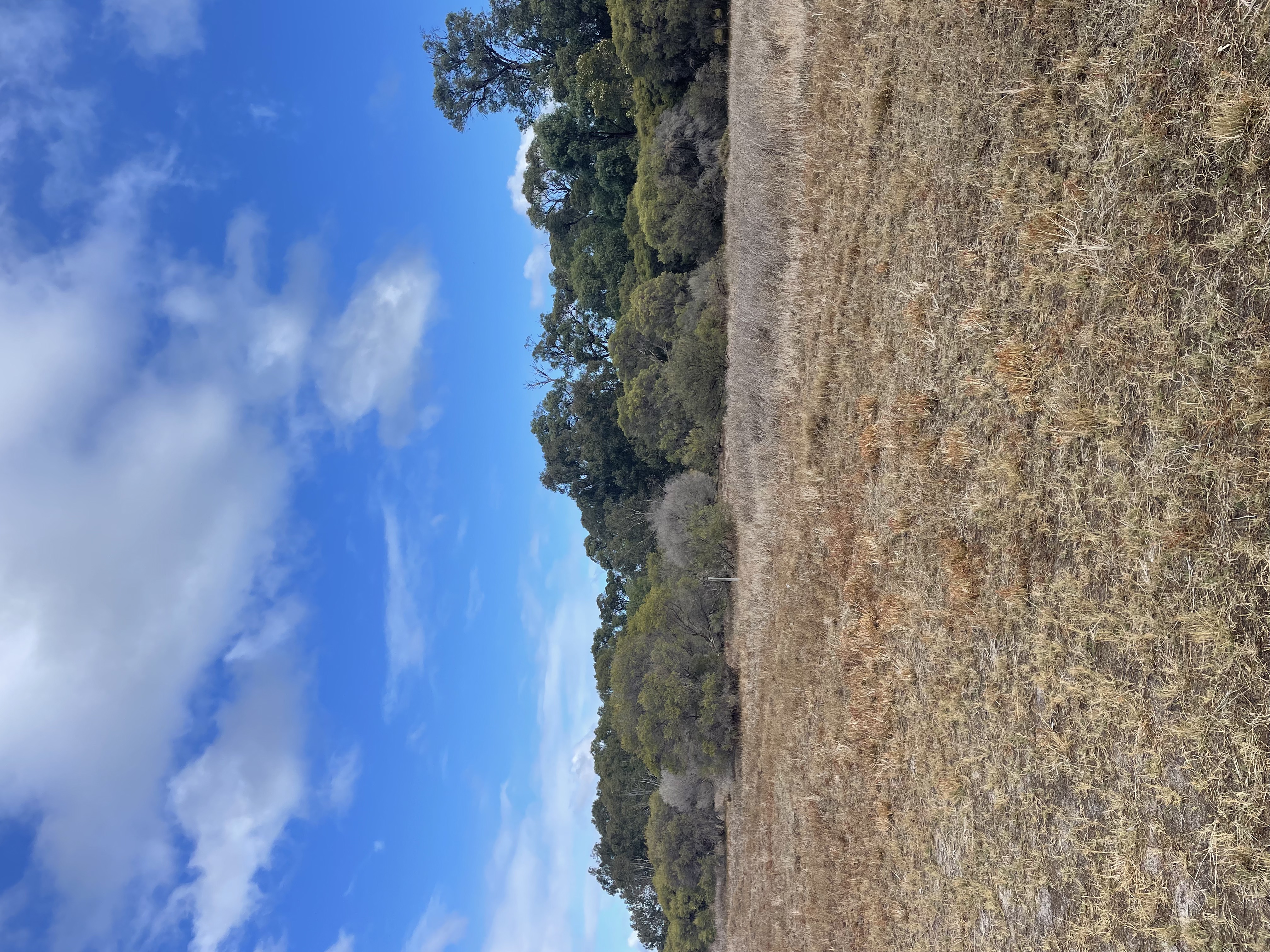
Flora: The lake’s fringes are dominated by sedgelands, which serve as important breeding habitat for swans and other bird species. Additionally, the lake’s invertebrate communities offer a plentiful food supply, supporting a wide range of waterbirds and shorebirds. The current hydrological conditions also provide essential foraging grounds for migratory waders, making it one of the few nearby lakes suitable for pre-migration feeding.
Abiotic features
Lake McLarty is a medium-sized, shallow freshwater lake with an oval shape and a gently sloping bed. It spans up to 2.1km from north to south and 1.25km from east to west at its widest point. Situated within a natural drainage depression on the coastal plain, the lake is separated from the eastern edge of the Harvey Estuary by a 600-metre-wide vegetated fossil dune ridge. The lake belongs to the 'Bibra' group of wetlands, which form a linear chain along the boundary between the Bassendean and Spearwood dune systems on the Swan Coastal Plain (Semeniuk 1988). These wetlands develop in depressions where groundwater is held against the Spearwood ridge (Environmental Capability 1995). The lake bed is covered by a thin silt layer that thickens to about 40 mm of silty mud at the northern end, resting on a firm sandy base containing shell fragments (Craig et al. 2004).
Cultural aspects
Aboriginal: No formally registered Aboriginal sites exist within Lake McLarty Nature Reserve, but several nearby locations in the Peel Inlet–Harvey Estuary area—Warrangup Spring are recognised as traditional Aboriginal camping grounds. These reflect the broader cultural and historical significance of the estuarine environment to the Noongar people (Department of Environment and Conservation).
European: Lake McLarty was named after the McLarty family, early settlers in the Murray District. John McLarty established Blythewood Homestead in the 1860s and later expanded into cattle farming. His son Edward built Edenvale Homestead; both still stand. In 1848, Arthur Birch settled beside what was then ‘Big Lake’ (now Lake McLarty). By the 1870s, he built Birchmont Homestead and by 1880 held 1,000 acres of freehold and leased 70,000 acres between the Harvey Estuary and Peel Inlet. The family grew wheat and looked after 2,000 sheep (Department of Environment and Conservation).
Extra notes
Access to Lake McLarty is provided for passive recreational uses (such as birdwatching and nature appreciation), as well as for management and emergency vehicles.
Vehicular access to the southern part of the reserve to allow off-road.