Bindjareb-Peel Geo Park Guide
Pinjarra Massacre Site
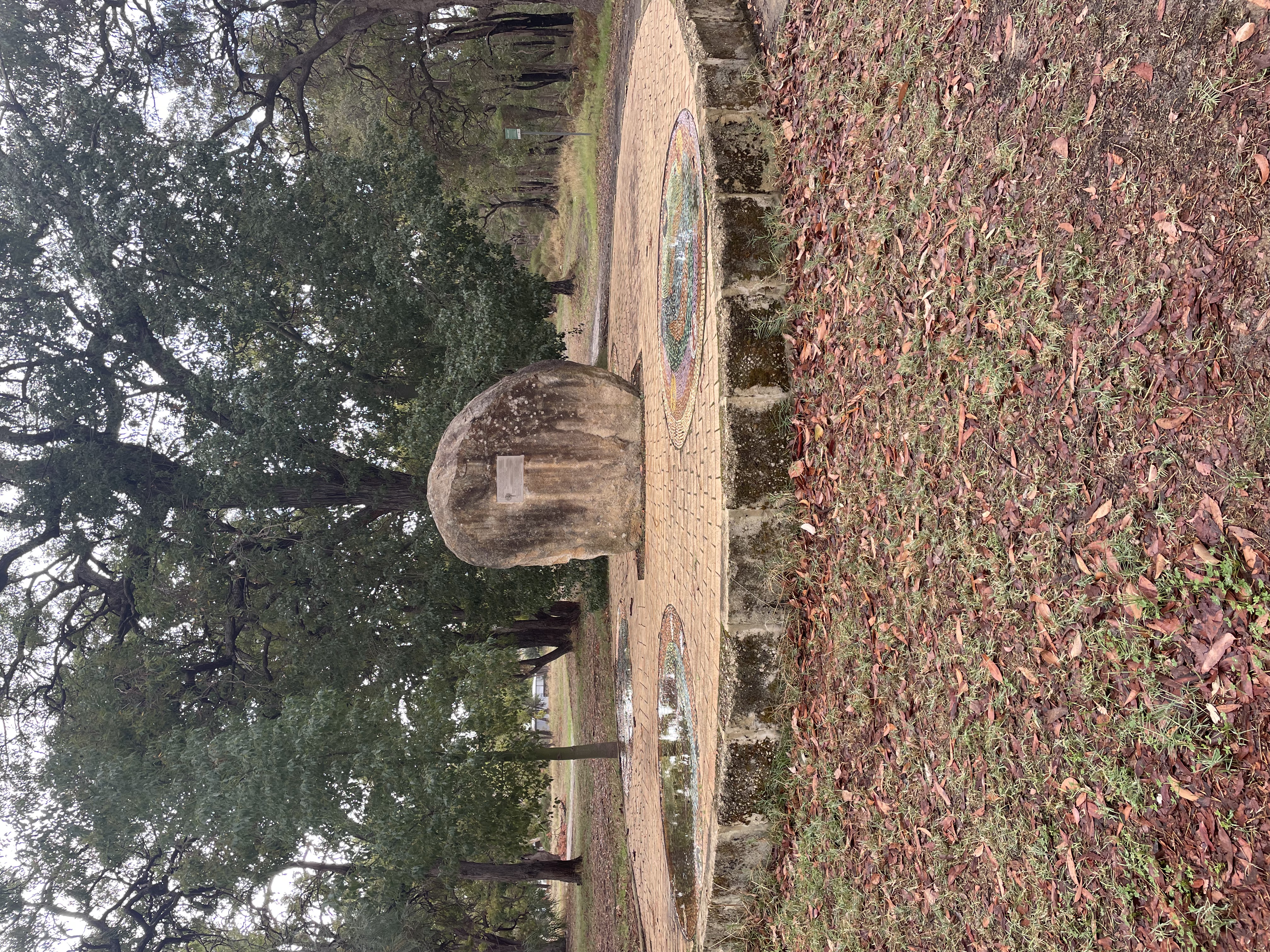
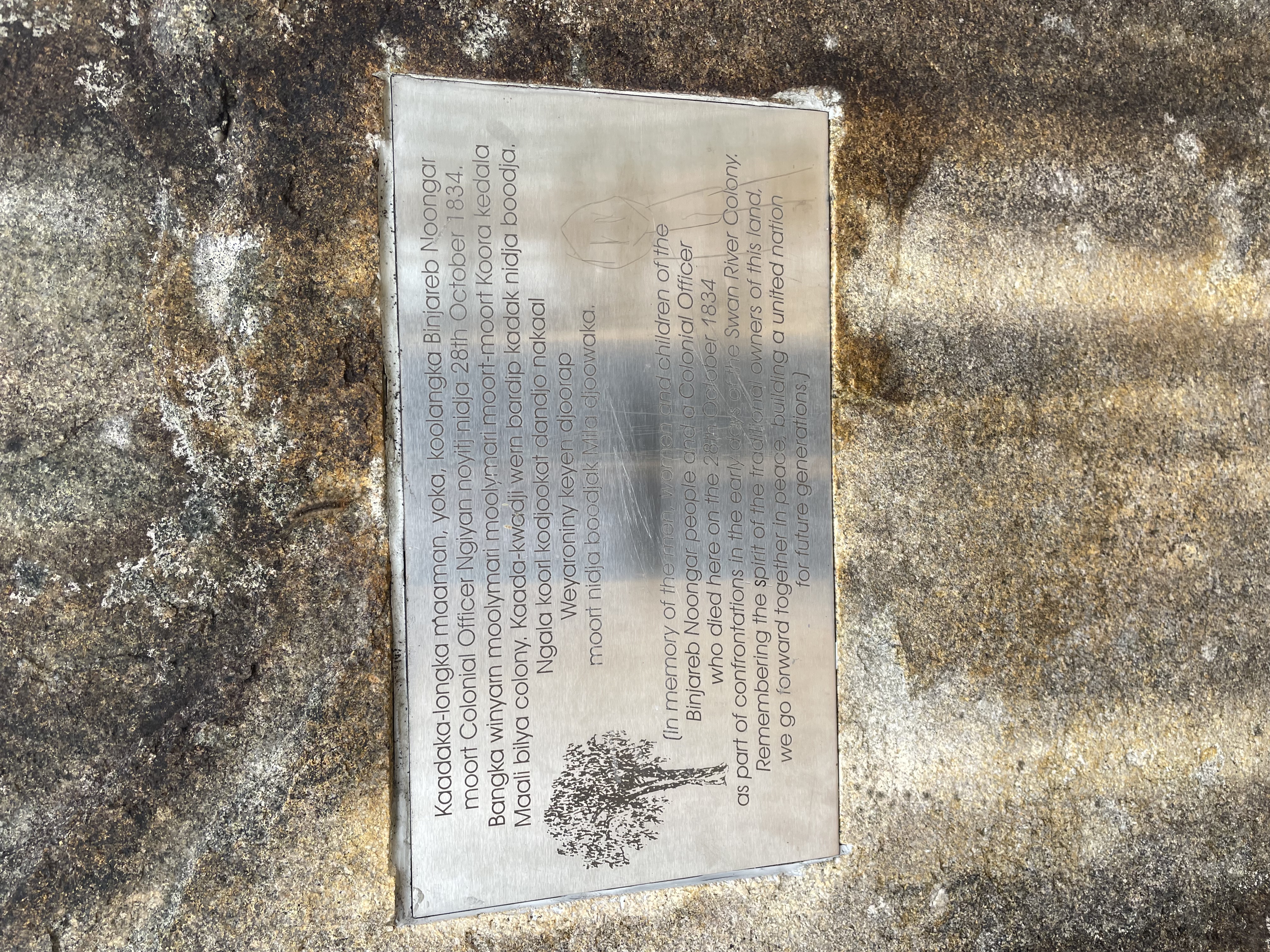
Pinjarra Massacre Site was the site of the Battle of Pinjarra. This event in Australian history was a particularly violent and infamous assault on Aboriginal people. It occurred in 1834 in the town of Pinjarra, located approximately 83 kilometres south of Perth in Western Australia.
Accessibility
carparksoft surface path
Activities
bird watchingnature photographywalking
Astrophotography potential
No Astrophotography Potential
Astrophotography grade
None
Facilities
campsitecaravan parkhotel
Way finding
No Way Finding Support
Address
Location
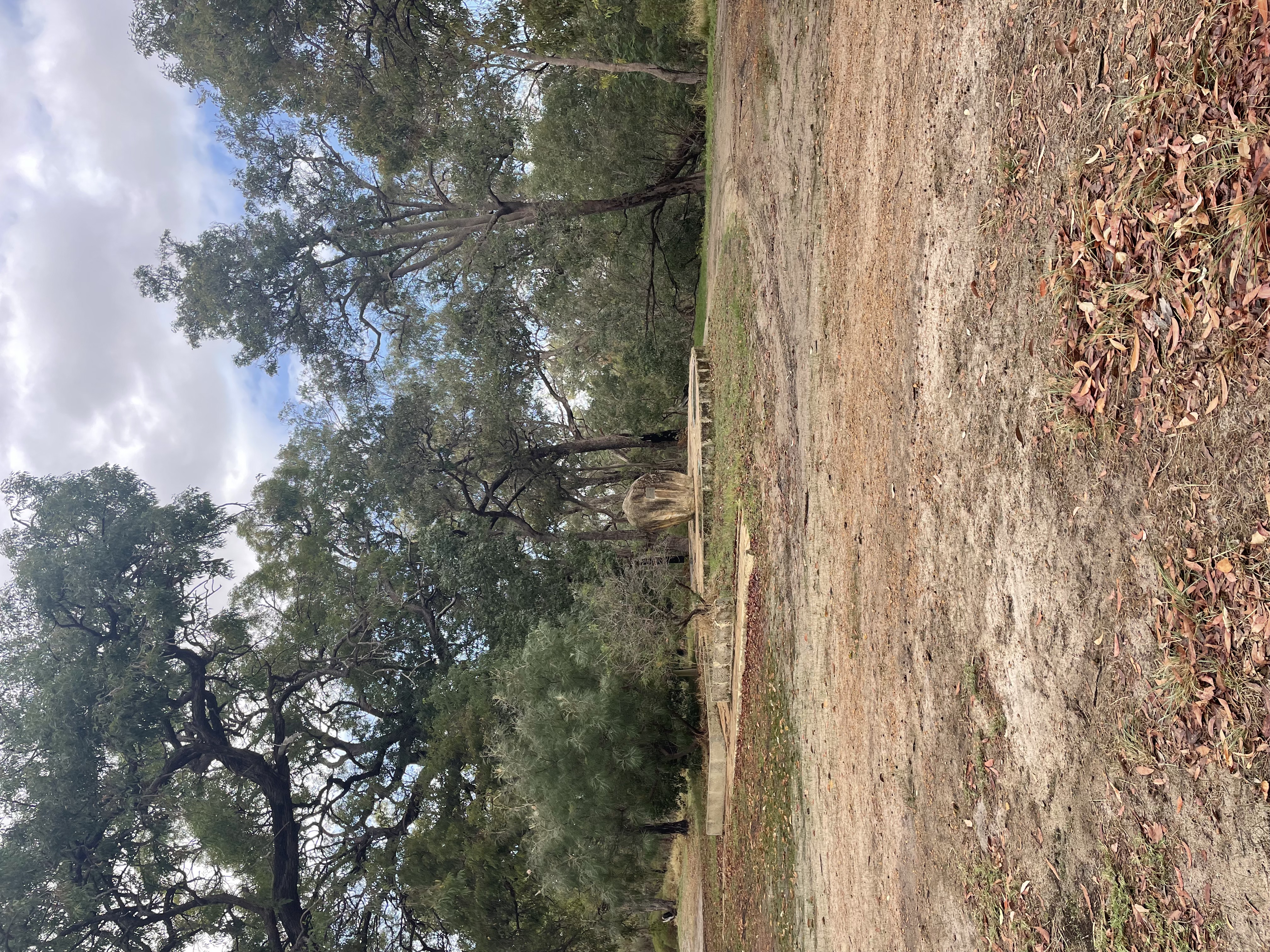
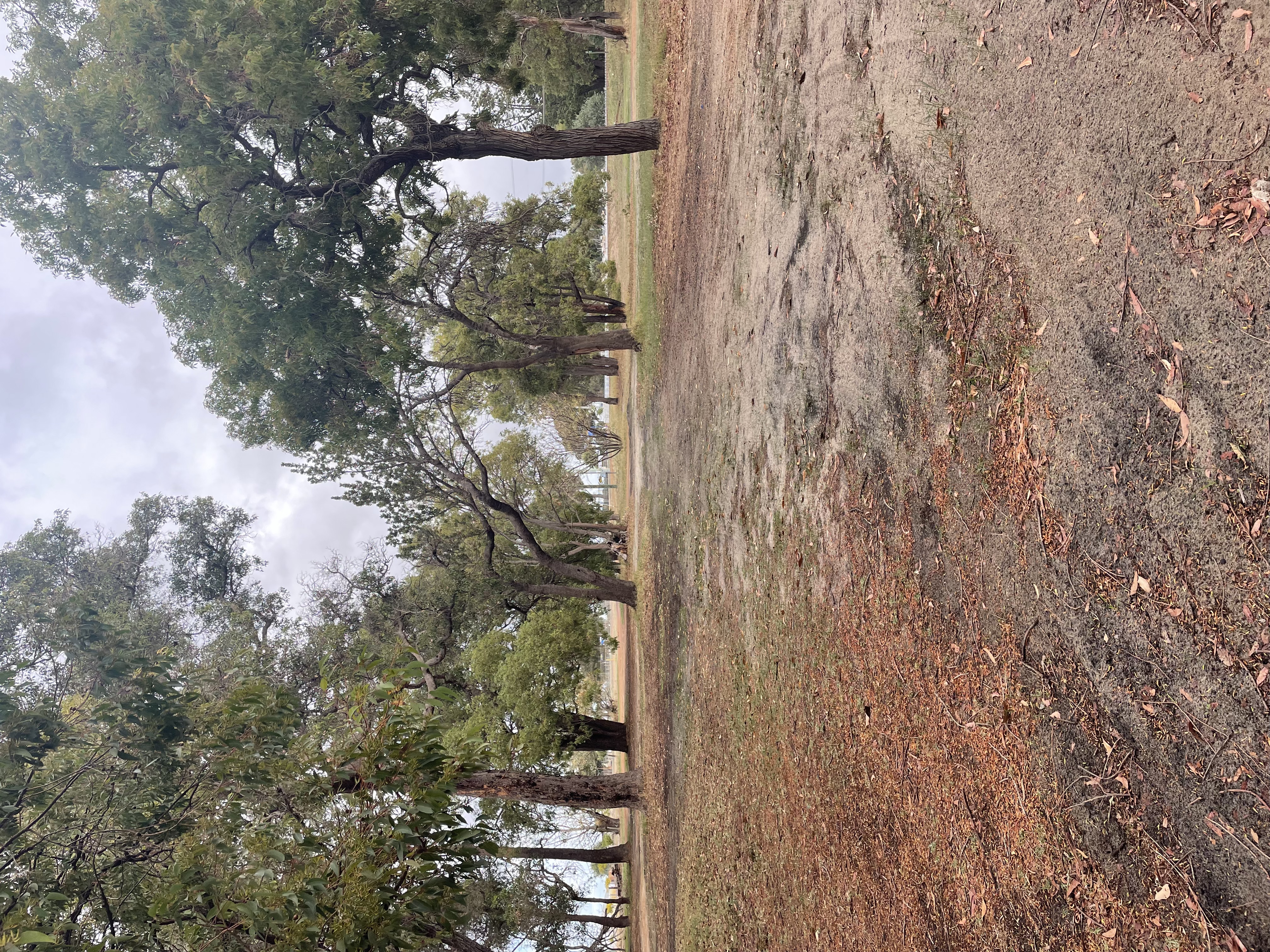
Battle Of Pinjarra Memorial Park, McLarty Road, Pinjarra, Western Australia, 6208, AUS
Indigenous community
Bindjareb People
Land tenure
Shire of Murray
Entry road
Unsealed Road (Gravel)
Car park distance (m)
70
Entry fee
No
Infrastructure grade
1
Natural amenity
4
Plumbed infrastructure
No
Visible powerlines
Yes
Coordinates (lat, lng)
-32.641, 115.869
Food & drink
Red Gum Winery, Carroholly Orchard and Wine Tree Cidery
Tours & experiences
Bindjareb Park Tour, Pinjarra Murray River Trail, Pinjarra Massacre Site Tour available to book via Karrie-Anne (bridiya88@gmail.com)
Site Highlights
You may also want to know...
- Pinjarra Massacre Site was the site of the Battle of Pinjarra.
- This event in Australian history was a particularly violent and infamous assault on Aboriginal people.
- It occurred in 1834 in the town of Pinjarra, located approximately 83 kilometres south of Perth in Western Australia.
Biotic features
Flora: There are many significant flora species within Murray including; large jarrah trees (Eucalyptus Marginata), flooded gum (Eucalyptus Rudis), and the threatened tall donkey orchid (Diuris drummondii Lindl.) The Pinjarra Area contains a plethora of threatened ecological communities, such as the Woodlands and shrublands dominated by marri (Corymbia calophylla) and balga and (Xanthorrhoea preissii).
Fauna: The Murray region is home to the vulnerable and endangered Baudin's, Carnaby’s and the Forest Red-tailed Black Cockatoo. Pinjarra's significant flora include the critically endangered western ringtail possum and the vulnerable mainland quokka species.
Abiotic features
Within the Pinjarra Region there are numerous threatened ecological communities including the "Claypans of the Swan Coastal Plain". This diverse community exists where clay forms an impermeable layer close to the surface. The Pinjarra landscape, distinctive of the Swan Coastal Plain wetlands, consists of coastal salt-marshes and is influenced by intermittent tidal influence. The area is geologically significant because it forms the transition between the ancient Yilgarn Craton and the more recent coastal plain sediments.
Cultural aspects
Aboriginal: In 1830, settler Thomas Peel was granted a large area of land in what is now the Peel Region, including Pinjarra. As colonists established farms along the Murray River, the Bindjareb Nyungar people were displaced from their land and vital food sources. To survive, they took crops and speared livestock. Settlers misinterpreted firestick farming practices as deliberate sabotage. In April 1834, after Bindjareb men raided a flour mill in South Perth, three Aboriginal men—one being their leader Gcalyut—were flogged. In response, the Bindjareb plotted revenge and killed settler Hugh Nesbitt. On 28 October 1834, Governor James Stirling led 25 armed colonists, including soldiers and mounted police, to a Bindjareb camp near present-day McLarty Road. They opened fire on the unarmed group, killing between 15 and 80 Bindjareb people. The police superintendent was fatally speared. This became known as the Pinjarra Massacre, a tragic event in Noongar history.
Extra notes
No formed carpark on site and minimal signage present