Bindjareb-Peel Geo Park Guide
Point Grey
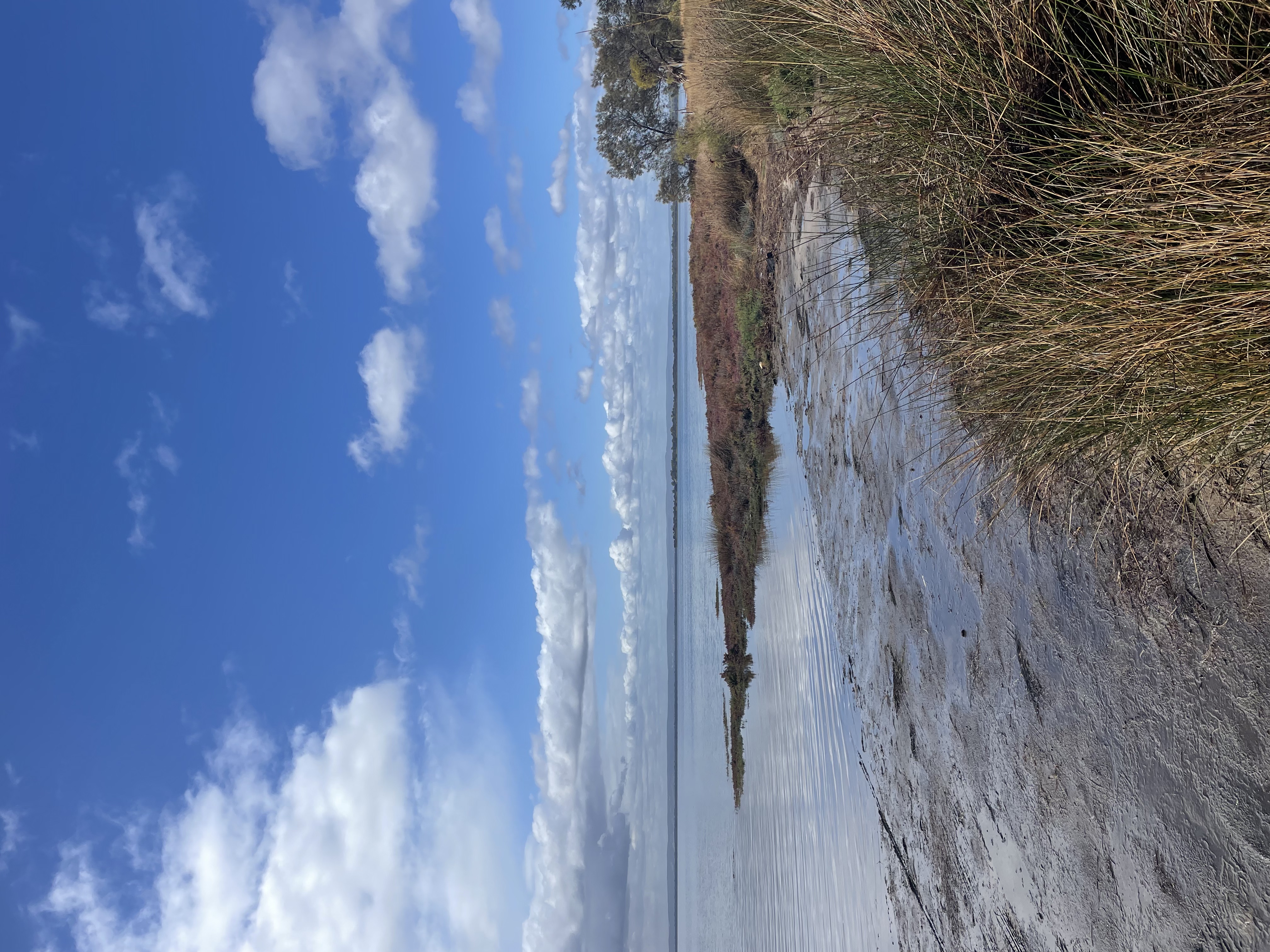
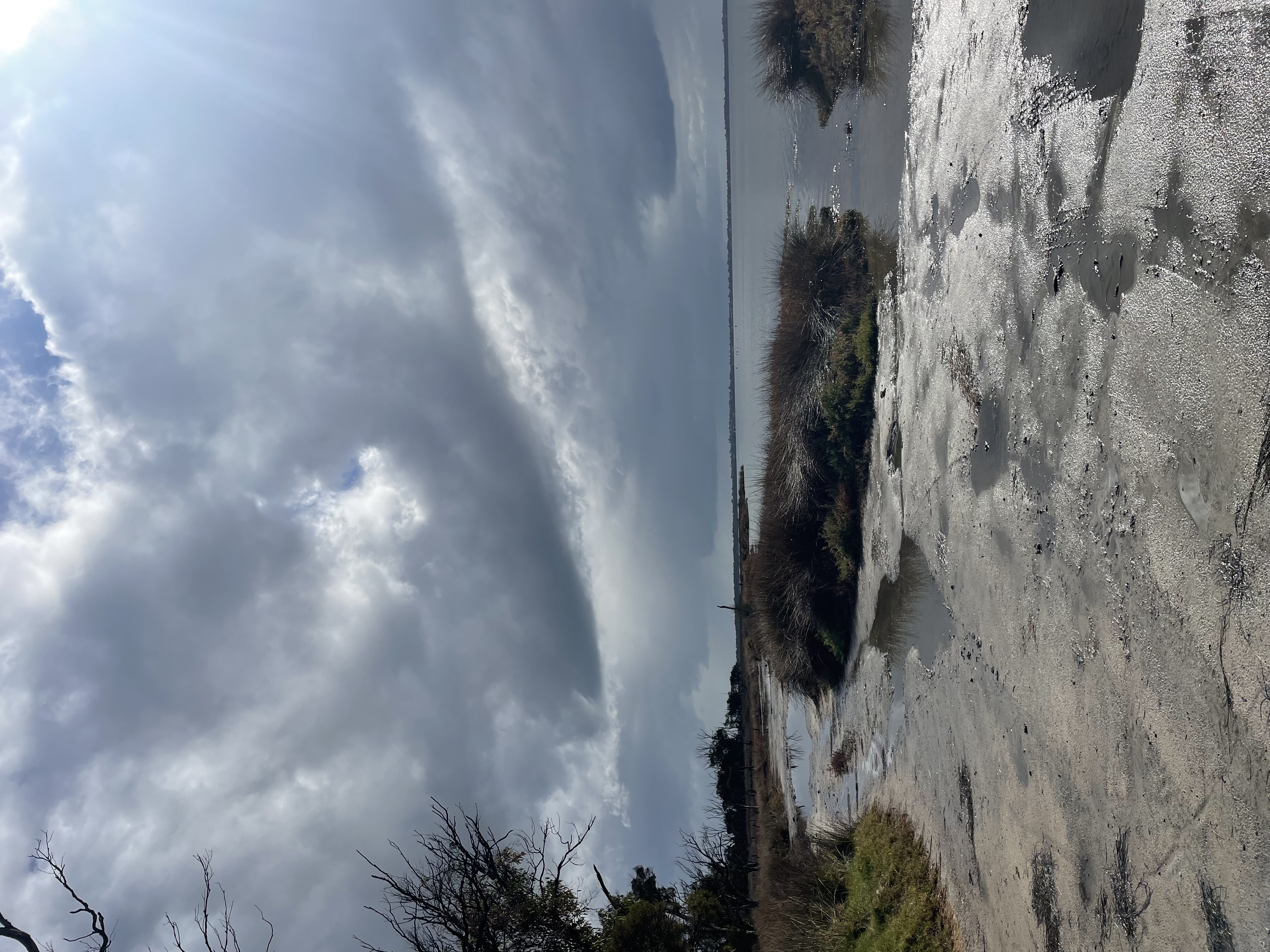
Point Grey lies approximately 96km south of Perth and just 32km from Mandurah. Point Grey is positioned between two estuarine ecosystems which create a thriving haven for a variety of wildlife.
Accessibility
soft surface path
Activities
bird watchingcanoeing kayakingfishingmountain bikingnature photographyswimmingwalking
Astrophotography potential
No Astrophotography Potential
Astrophotography grade
None
Facilities
campsitecaravan park
Way finding
No Way Finding Support
Address
Location
Point Grey, Murray, Western Australia
Indigenous community
Bindjareb People - The area holds a deep connection to its traditional custodians, the Bindjareb people of the Noongar nation. Their presence is reflected in the land’s historical significance and enduring cultural narratives.
Land tenure
Private Land, Shire of Murray
Entry road
Unsealed Road (Gravel)
Car park distance (m)
20
Entry fee
No
Infrastructure grade
2
Natural amenity
7
Plumbed infrastructure
No
Visible powerlines
No
Coordinates (lat, lng)
-32.641, 115.682
Food & drink
Peel Estate Wines, Redgum Wine Estate, Wine Tree Cidery
Site Highlights
You may also want to know...
- Point Grey lies approximately 96km south of Perth and just 32km from Mandurah.
- Point Grey is positioned between two estuarine ecosystems which create a thriving haven for a variety of wildlife.
Biotic features
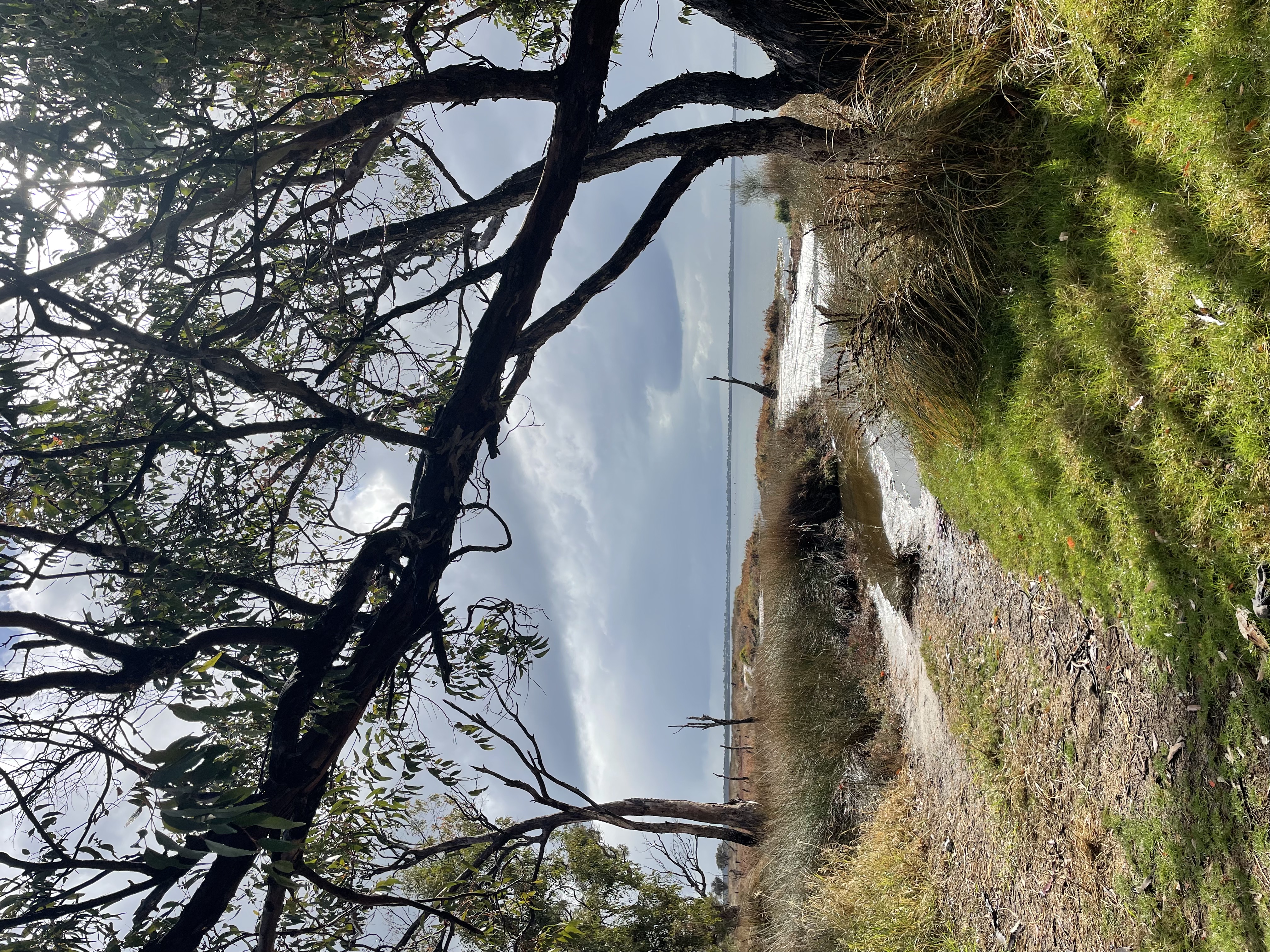
Flora: Point Grey is dominated by open tuart woodlands with a cleared understory. Being on the estuary fringe, Point Grey includes vegetation including samphire mashes, sheoak, paperbarks, and kunzea. The dominant vegetation community around Point Grey consists mainly of tuart (Eucalyptus gomphocephala) woodlands, often mixed with jarrah (Eucalyptus marginata) and marri (Corymbia calophylla) trees.
Fauna: Point Grey is home to the endangered and vulnerable Black Cockatoo species that have been known to forage in the area. A total of eighty-six species of waterbirds have been recorded in the Peel Inlet—Harvey Estuary System, including five darters and cormorants, twelve herons and allies, twelve ducks and allies, five rails, thirty-five shorebirds and nine gulls and terns. Point Grey is a conservation area for water birds of international significance. It is a feeding and breeding ground for many waders including over twenty trans-equatorial migrant species, protected under the JAMBA Treaty.
Abiotic features
Point Grey peninsular occurs in the Spearwood sands unit which is characterised by gentle to moderately inclined hills and gently undulating plains associated with Tamala limestone and limestone derived sand. The limestone contains numerous solution channels that form a karst aquifer. Karst systems and caves occur throughout the area. (Department of Water Science Branch Technical Series, 2010). Beneath the recent estuarine sediments lie Pleistocene dune systems of the Spearwood and Bassendean sands, which form part of the Swan Coastal Plain dune sequence. These older layers consist of calcareous sands (Spearwood) and leached quartz sands (Bassendean), sometimes cemented into aeolianite limestone.
Cultural aspects
Aboriginal: A traditional Aboriginal campsite has been identified along the northern shoreline of the peninsula. This location has been officially recognised and documented as an Aboriginal heritage site under the provisions of the Aboriginal Heritage Act (1972–1980). The north-west corner of Point Grey, was a significant living area for Aboriginal people in prehistoric times. Two Aboriginal men were reputedly murdered and buried in the area in colonial times
“Areas of remnant bush on the peninsula hold significant natural heritage value for custodians”, (O’Connor 1987).
Several examples, of ‘bush tucker’ resources (e.g. quandong bushes) were identified by the Aboriginal consultants during various consultations in the north-west corner of Point Grey.