Bindjareb-Peel Geo Park Guide
Preston Beach Coquina
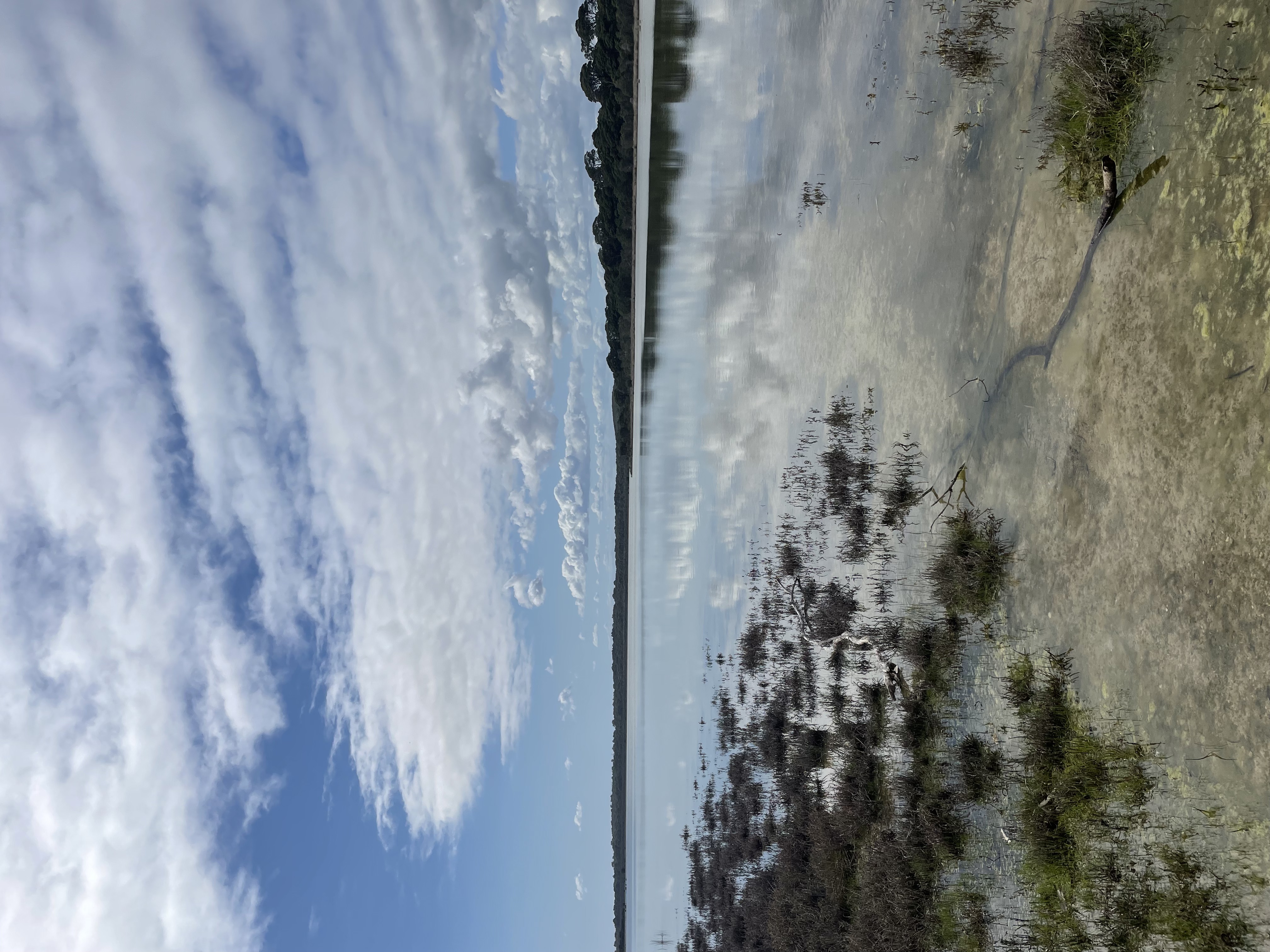
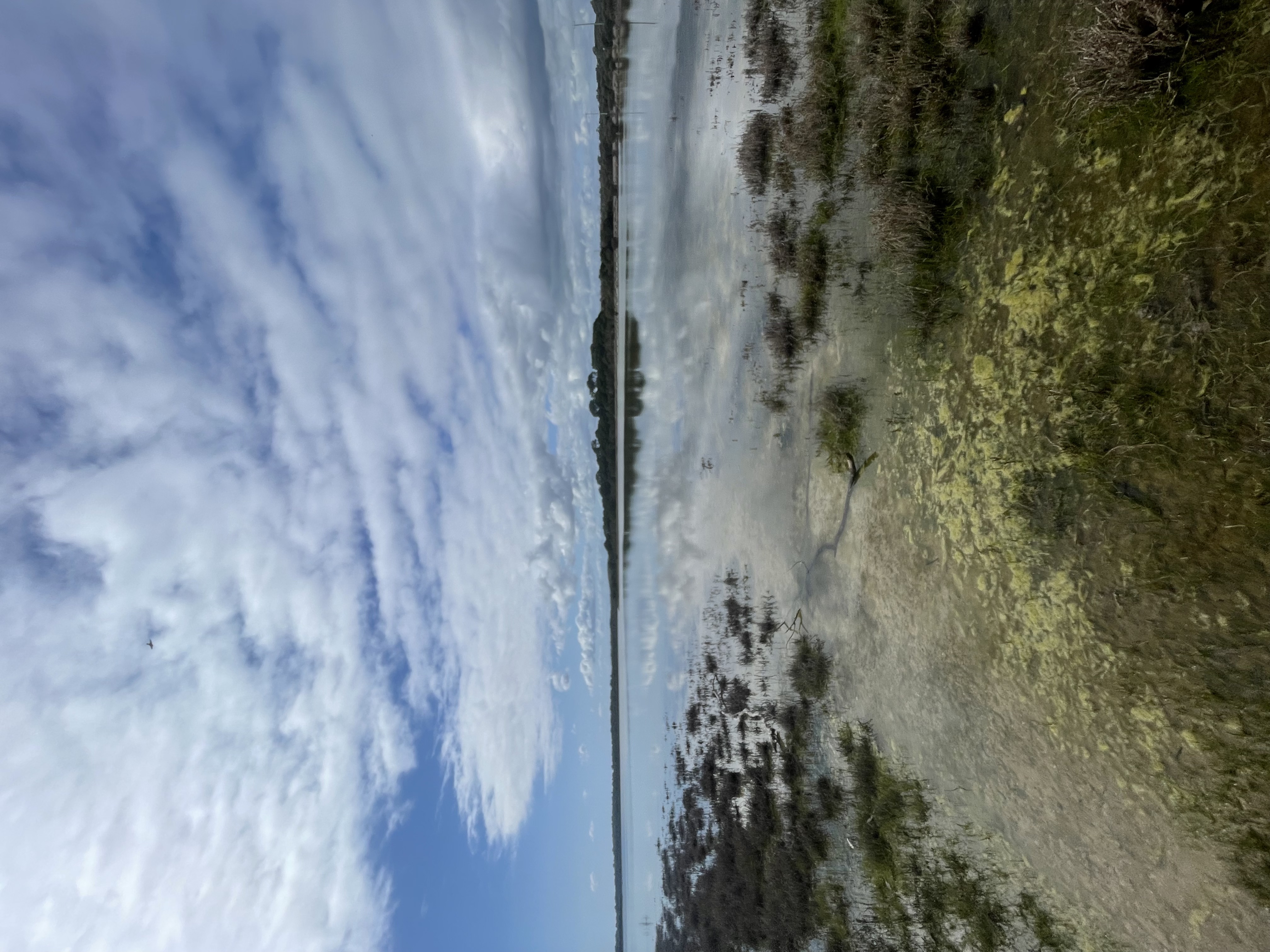
Preston Beach Coquina is located on the Lake Preston shoreline, bounded by the Indian Ocean and Yalgorup National Park, 124 kilometres south of Perth.
Accessibility
carparksoft surface path
Activities
bird watchingnature photographywalking
Astrophotography potential
No Astrophotography Potential
Astrophotography grade
None
Facilities
campsitecaravan parkhotelpicnic area
Way finding
No Way Finding Support
Address
Location
Preston Beach Road, Lake Clifton, Waroona, Western Australia, 6215, AUS
Indigenous community
Bindjareb People
Land tenure
Department of Biodiversity, Conservation and Attractions
Entry road
Sealed Road (Bi-Directional)
Car park distance (m)
20
Entry fee
No
Infrastructure grade
5
Natural amenity
7
Plumbed infrastructure
No
Visible powerlines
No
Coordinates (lat, lng)
-32.856, 115.677
Food & drink
The Crooked Carrot, Thorny Devil Brewery
Tours & experiences
Heathlands Walk shows views over Lake Preston to Myalup + Lake Pollard Trail - leads to a bird hide on the water's edge.
Site Highlights
You may also want to know...
- Preston Beach Coquina is located on the Lake Preston shoreline, bounded by the Indian Ocean and Yalgorup National Park, 124 kilometres south of Perth.
Biotic features
Flora: The site is set amongst banksia jarrah woodlands, Eucalyptus decipiens woodlands and coastal shrublands. Natural Consulting Management Services (2019), surveyed 109 flora species, 82 of which were native species and 27 being introduced, in the nearby area. Eleven priority flora species including Hakea oligoneura and Hibbertia spicata sp. leptotheca have been identified in Preston.
Fauna: Preston Beach serves as home to hundreds of migrating birds and water birds, including the endangered hooded plover (Thinornis rubricollis). Carnaby's Cockatoo, recognised as endangered under the EPBC Act (1999), utilises the tuart trees for roosting and nearby banksia woodlands for foraging. The vulnerable western ringtail possum (Pseudocheirus occidentalis) has been sighted in the area.
Abiotic features
The past 7000 years, during the early to middle Holocene involved the formation of a linear barrier dune system, enclosing a long, narrow lagoon that stretched from Bunbury to Preston Beach. Strong winds and swell drove inland coastal erosion which moved a few kilometres east over approximately 7000 years. The Holocene barrier is stratigraphically complex due to being exposed to varying sea levels throughout time. 8000 years ago, Holocene sea levels were 6m below the modern present level and 7,500 years ago, levels rose dramatically by 4m. These intense fluctuations were driven by glacial and inter-glacial events. Coastal near-shore marine and coastal sedimentation took place over four stages, separated by glacial episodes (Department of Environment & Conservation, 2009). Semeniuk (1995) defined the Holocene coastal coquina as "white, cream, yellowish and tan shell beds, shell grit, shelly sand, and coarse to medium sand".
Cultural aspects
European: Preston Beach began developing in the early 1950s after reports of good fishing. In 1957, a local syndicate bought 25 acres from Stevie Mitchell at £2 per acre; each member paid £10 and could own one of 58 blocks. The syndicate dissolved in 1959, and the Drakesbrook Road Board took over, enabling further growth. A golf course was built in 1974, reticulated in 1976, and opened with a caravan park in 1978. Both were initially private but bought by Alan Bond in 1981 and sold in 1982. The golf club formed in 1984, and the Shire of Waroona purchased the course in 1986, supported by the Preston Beach Progress Association. The causeway was built in 1956 by syndicate members, replacing an older access route. When Lake Preston rose above 0.9 m, access was lost, and vehicles relied on pegged markers to cross the higher lakebed.