Bindjareb-Peel Geo Park Guide
Wardan (The Indian Ocean)
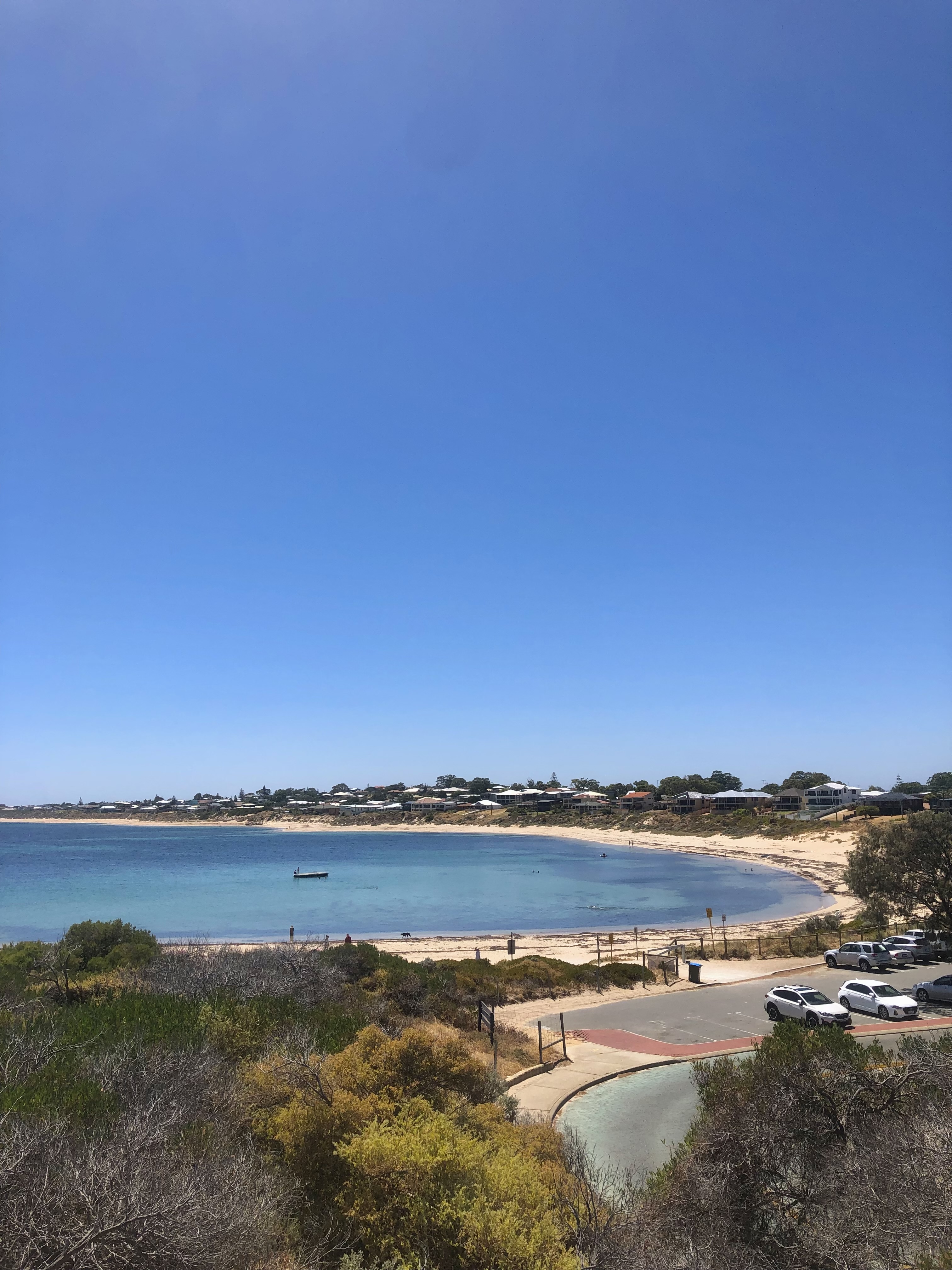
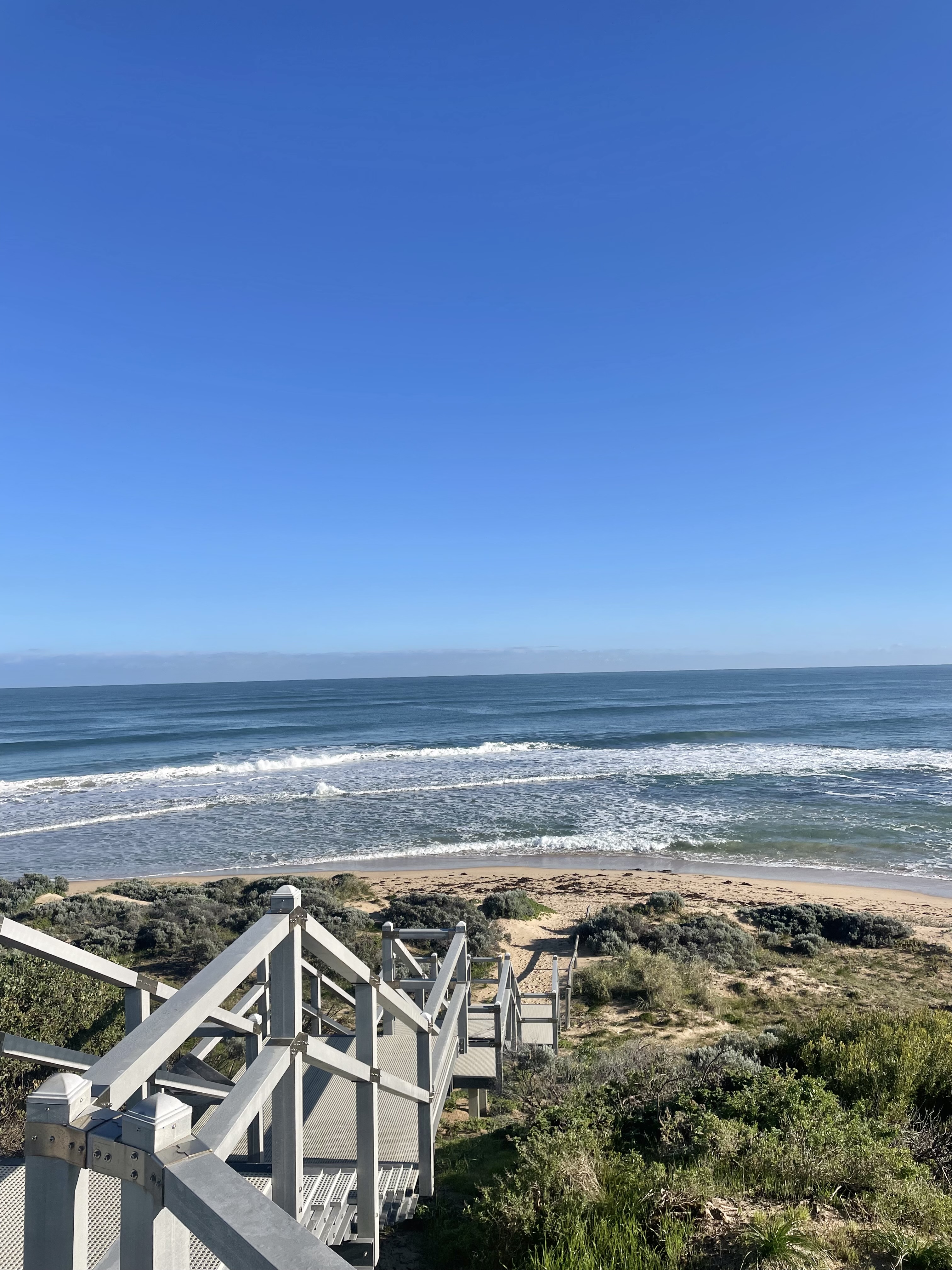
The Indian Ocean (Wardan) can be observed from Falcon Bay Lookout, on the Western Boarder of the Peel Aspiring Geopark. From the Falcon Bay car park, a well-signed path leads 50 m to a set of stairs that ascend to the lookout platform which is ideal for sunset viewing.
Accessibility
carparkdisability parkinghard surface path
Activities
canoeing kayakingfishingmountain bikingnature photographyswimmingwalking
Astrophotography potential
No Astrophotography Potential
Astrophotography grade
None
Facilities
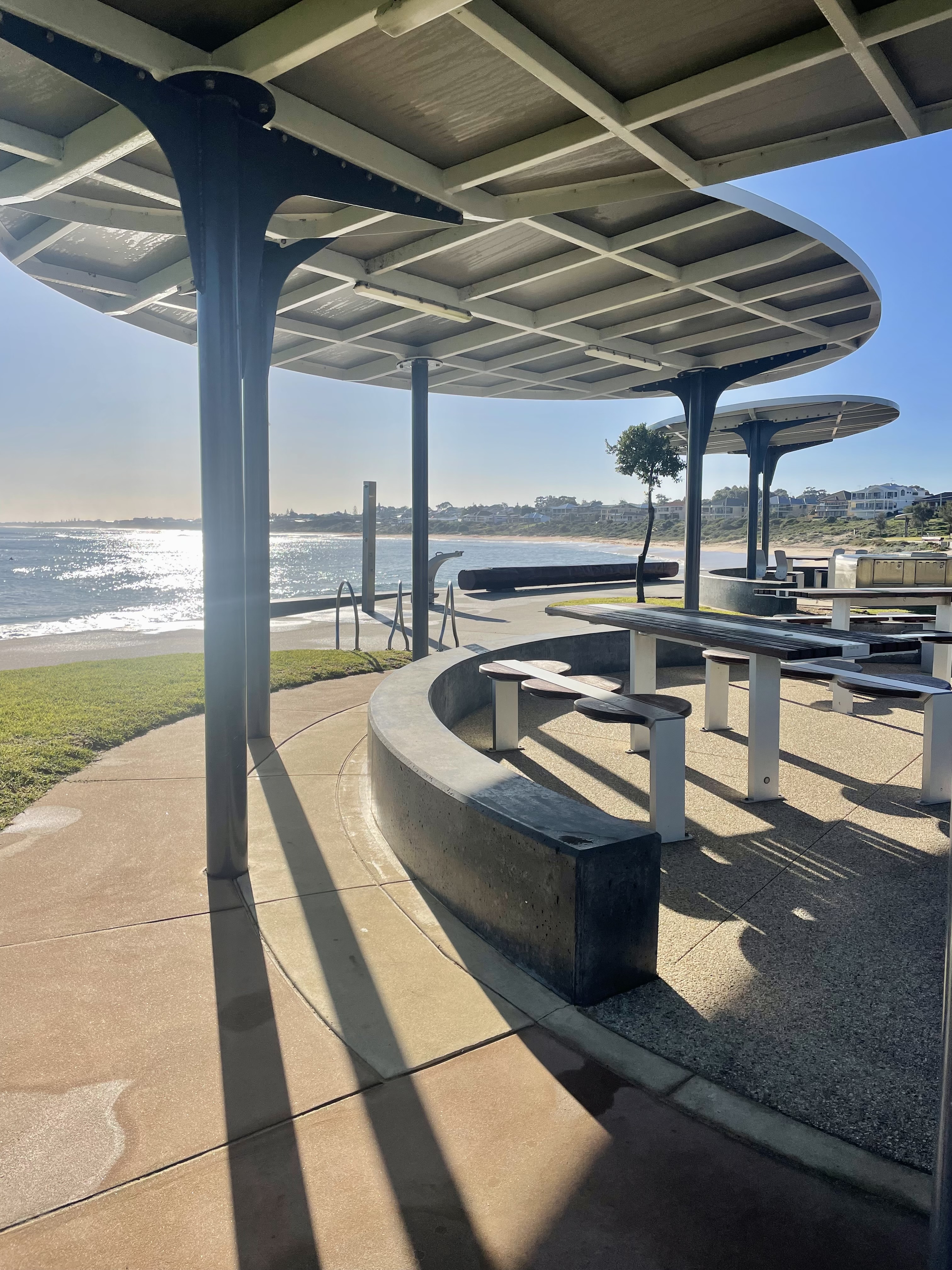
bbqbike rackcampsitecaravan parkgrass areahotelnightime lightingpicnic areatoiletviewing platform
Way finding
No Way Finding Support
Address
Location
Falcon Bay Lookout, Falcon, Perth, Western Australia, AUS
Land tenure
City of Mandurah
Entry road
Sealed Road (Bi-Directional)
Car park distance (m)
100
Entry fee
No
Infrastructure grade
9
Natural amenity
7
Plumbed infrastructure
Yes
Visible powerlines
Yes
Coordinates (lat, lng)
-32.58, 115.65
Food & drink
Wedgetail Brewery, Boundary Island Brewery
Tours & experiences
Goolamwiin Mangala Tour/ Blue Lightning Fishing Charters
Site Highlights
You may also want to know...
- The Indian Ocean (Wardan) can be observed from Falcon Bay Lookout, on the Western Boarder of the Peel Aspiring Geopark.
- From the Falcon Bay car park, a well-signed path leads 50 m to a set of stairs that ascend to the lookout platform which is ideal for sunset viewing.
Biotic features
The Leeuwin current transports warm, tropical waters southward, influencing the marine species composition and distinctive ecosystems along Western Australia's coast. The main ecological communities that exist of the coast include: inshore reefs, mangroves, sea grass meadows, kelp forests and deep sea ecosystems (such as abyssal plains, seamounts, and trenches). The Wardin Indian Ocean is also home to numerous fish species (mainly parrotfish and wrasse), invertebrates (such as shrimp and clams) and large marine mammals (including Indo-Pacific Bottlenose Dolphins and blue whales).
Abiotic features
The Indian Ocean state waters, included within the Geopark boundary, encompass the submerged continental shelf and an ancient shoreline which are now below sea level. This shelf was established approximately 130 million years ago, following the breakup of Gondwana and has since been shaped by fluctuating sea levels. Over the past 2 million years, these changes have been driven by alternating glacial and interglacial periods. The ocean has played a central role in the geological evolution and shifting landscapes of the Geopark landscape. Coastal features, including the Swan Coastal Plain's dunes and shoreline, have been sculpted by persistent south-westerly winds, blowing inland from the sea.
Cultural aspects
The coastal Indigenous communities of peel, view oceans and waterways as living entities, deeply embedded in their spiritual and cultural worldview. For the Nyungar people, the sea (Wardan) holds significant spiritual meaning. Along the coastline, it’s believed that upon death, a person's spirit journeys westward across the sea, continuing existence in a realm similar to life on Earth. In the Swan district, Joobaitch, known as the last traditional man of the Perth area, explained that the spirits of his people travelled across the sea to a spiritual homeland known as Koorannup or Woordanung (Bates, 1985). Coastal families relied on marine environments not just for food, but also for cultural practices and trade. Stories passed down through generations describe the features and spiritual essence of sea country. Aboriginal custodians of Mandurah value how the connected ecosystems of any landscape are as significant for human health as they are for wildlife (Nori Jemil, 2025)