Bindjareb-Peel Geo Park Guide
Waroona Tourist Visitor Centre
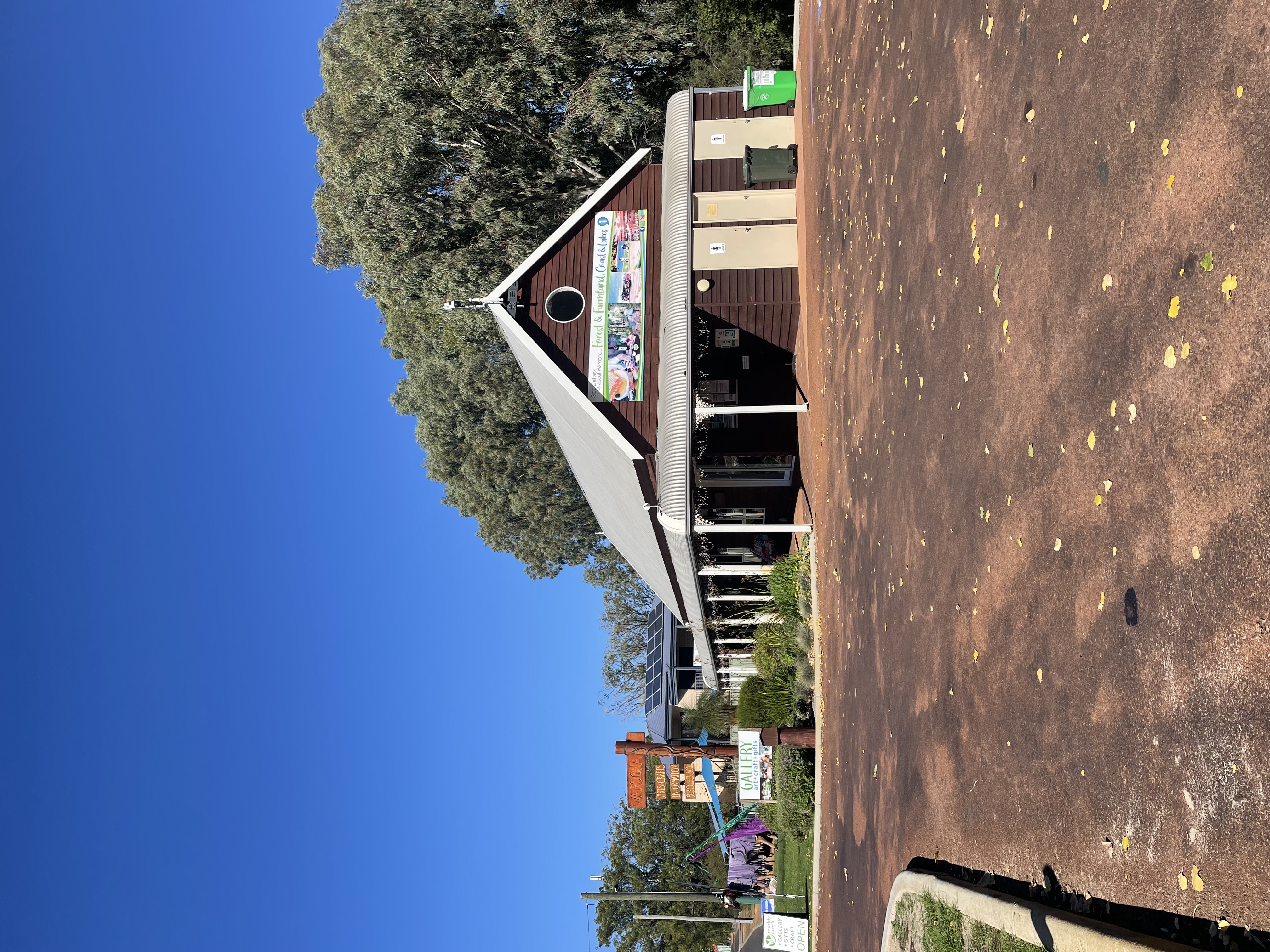
Waroona Tourist Visitor Centre offers guests a wealth of knowledge and extensive information on the unique environment of the region. Staff and volunteers are available to help plan both day trips and extended visits. The Centre also features a gallery showcasing high-quality local art, crafts, gifts, homewares, ornaments, and souvenirs.
Located out front is Mooriel (also known as the Waroona Cow), a life-sized fibreglass cow known for her regularly changing outfits. Famous for her playful and quirky 'cowture,' Mooriel has become a local icon—and possibly the most photographed cow in Western Australia
Accessibility
carparkdisability accessdisability parkinghard surface path
Activities
bird watchingmountain bikingnature photographywalking
Astrophotography potential
No Astrophotography Potential
Astrophotography grade
None
Facilities
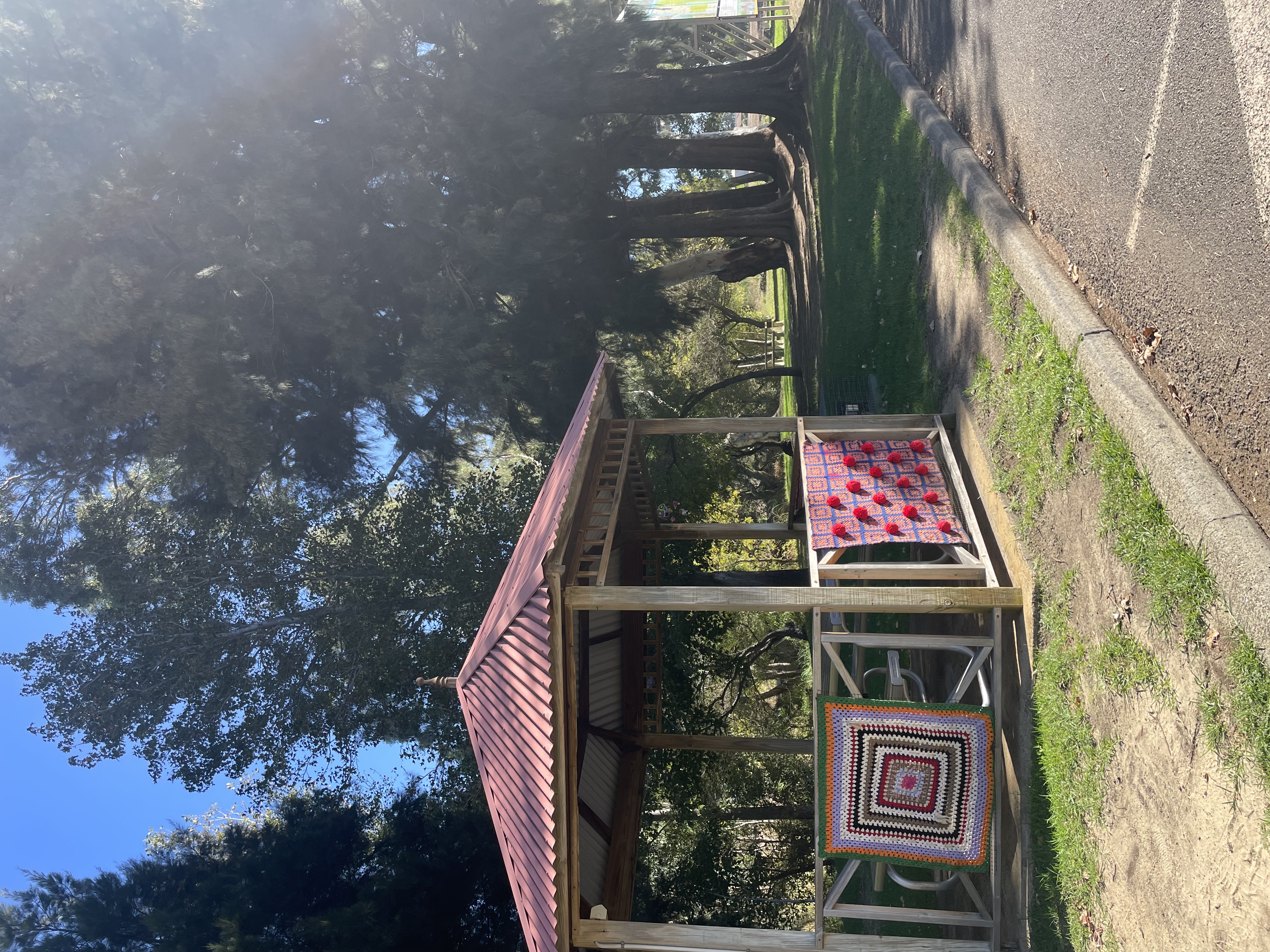
bike rackcampsitecaravan parkgrass areahotelnightime lightingpicnic areatoilet
Way finding
No Way Finding Support
Address
Location
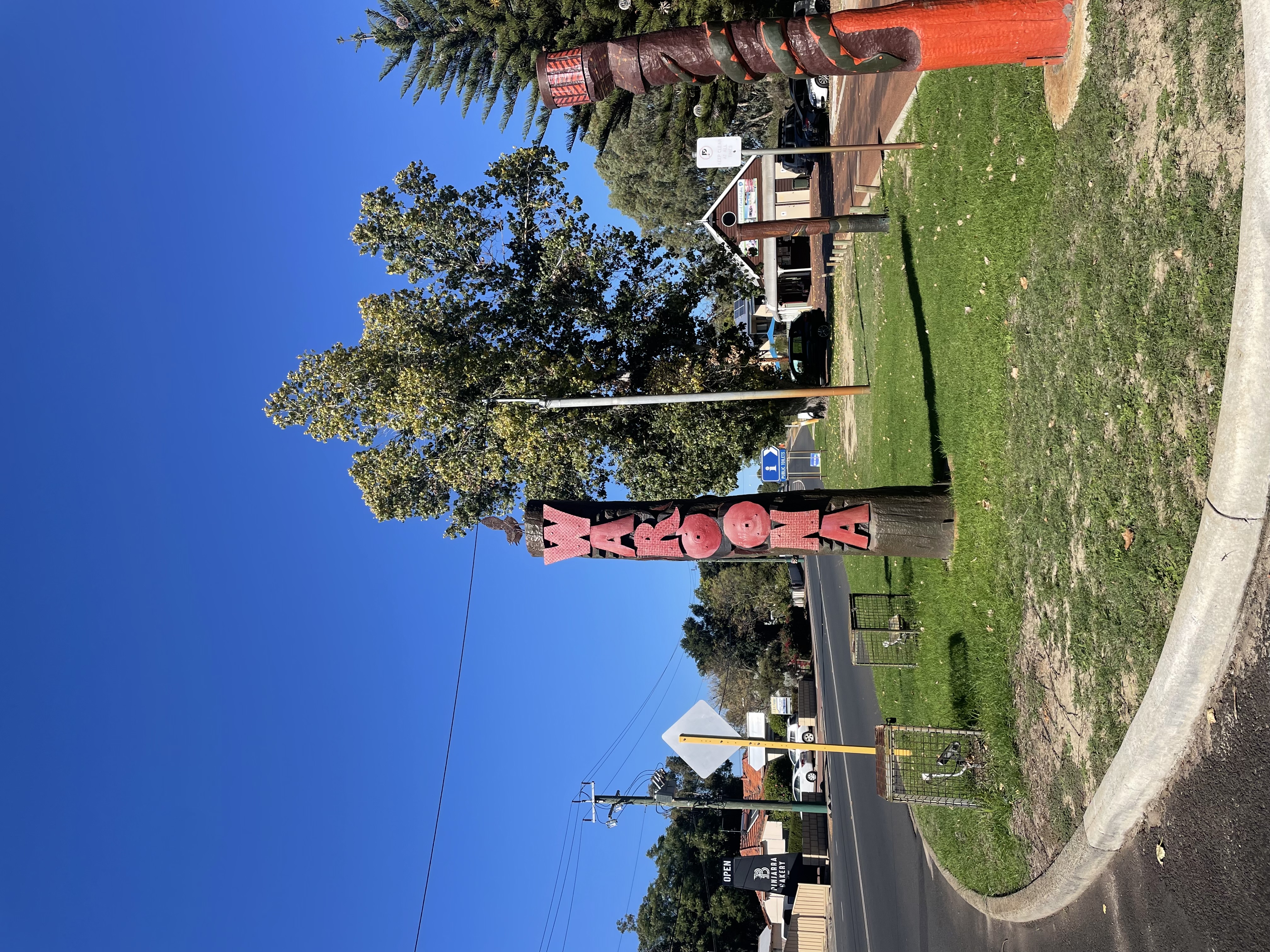
Waroona Visitor Centre & Gallery, 37 South Western Highway, Waroona, Western Australia, 6215, AUS
Indigenous community
Bindjareb People
Land tenure
Shire of Waroona
Entry road
Sealed Road (Bi-Directional)
Car park distance (m)
10
Entry fee
No
Infrastructure grade
10
Natural amenity
3
Plumbed infrastructure
Yes
Visible powerlines
Yes
Coordinates (lat, lng)
-32.841, 115.92
Food & drink
Drakesbrook Wine, Harvey Springs Estate, Harvey River Estate, Fifth Estate Wines
Tours & experiences
Waroona Heritage Trail, King Jarrah Track, Lane Poole Reserve (18km loop)
Site Highlights
You may also want to know...
- Waroona Tourist Visitor Centre offers guests a wealth of knowledge and extensive information on the unique environment of the region.
- Staff and volunteers are available to help plan both day trips and extended visits.
- The Centre also features a gallery showcasing high-quality local art, crafts, gifts, homewares, ornaments, and souvenirs.
Biotic features
Fauna: The Waroona visitor centre is located in the heart of the Waroona township, near Throssell Park. An important species that reside nearby Waroona is the noisy scrub-bird. It was first recorded in the nearby hills, when renowned zoological collector, John Gilbert discovered it at Drakes Brook in the Darling Range in November 1842, while collecting for ornithologist John Gould. This small brown bird was introduced to science through Gould’s richly illustrated Birds of Australia, published in 1845. Following European settlement, the species vanished from the Darling Range and was presumed extinct until its remarkable rediscovery in 1961 at Two Peoples Bay near Albany. Waroona benefits from nearby freshwater and saline wetlands of the Peel–Yalgorup system. These zones support plant types, typical of WA wetlands such as saltmarshes, sedgelands, rushes, aquatic lilies, and Melaleuca (paperbark) communities.
Abiotic features
The Darling Fault is representative of the fault line that created the Darling Scarp. The height and terrain difference between the Darling Scarp and the Swan Coastal Plain is the result of erosional detritus that filled the Swan Coastal Rift when Africa separated from Australia. After granite magmatism ended around 2600 million years ago, the Yilgarn Craton became stable. About 1400 million years ago, a zone of deformation and mobilization developed on its western margin, and the Darling Fault was formed. Sedimentary rocks were deposited at the foot of the Darling Scarp that belong to the Cardup Group and consist of conglomerate, sandstone, siltstone, and shale. These sedimentary rocks are Proterozoic in age, possibly around 1400 million years ol, and rest directly on the Archean granites of the Yilgarn Craton. They are unrelated to the sedimentary rocks in the Perth Basin.