Bindjareb-Peel Geo Park Guide
Yalgorup National Park
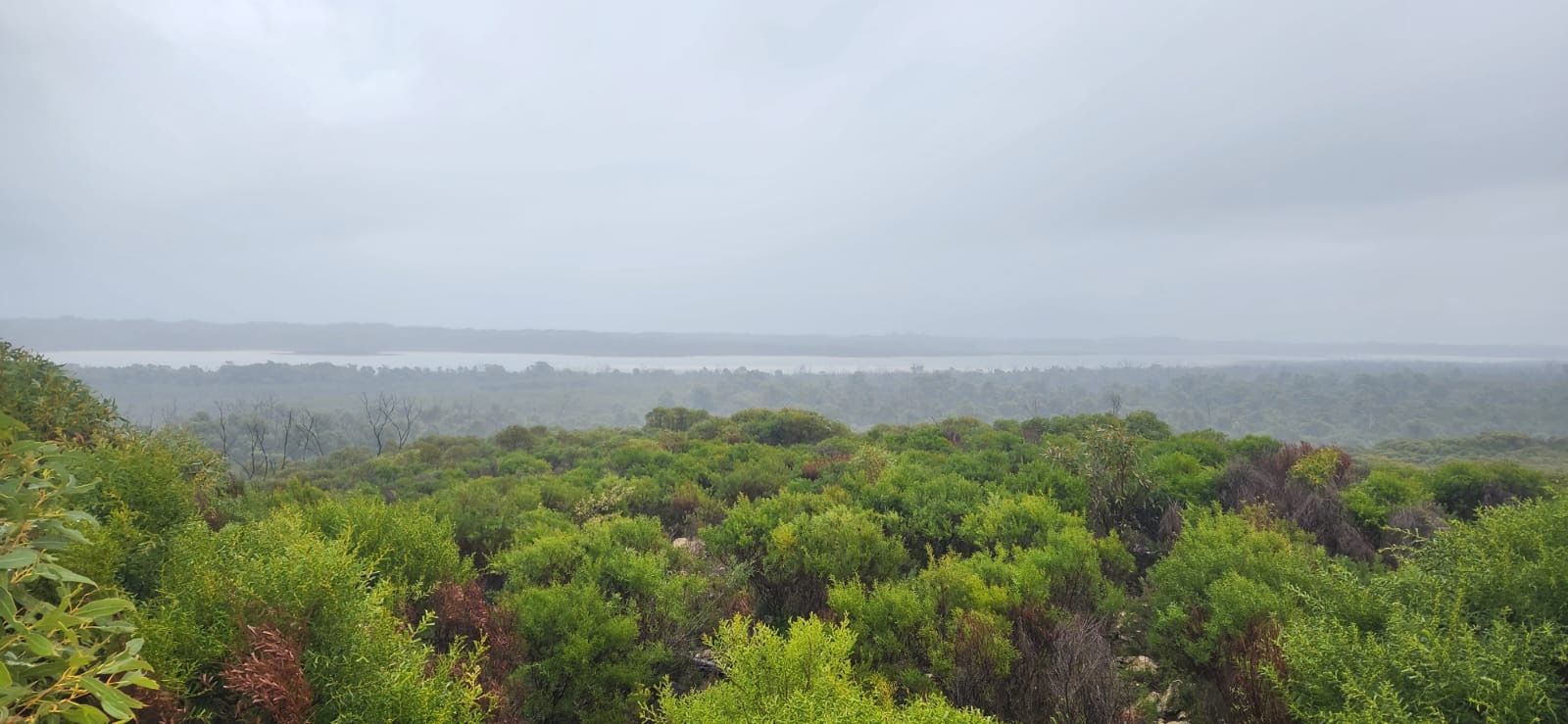
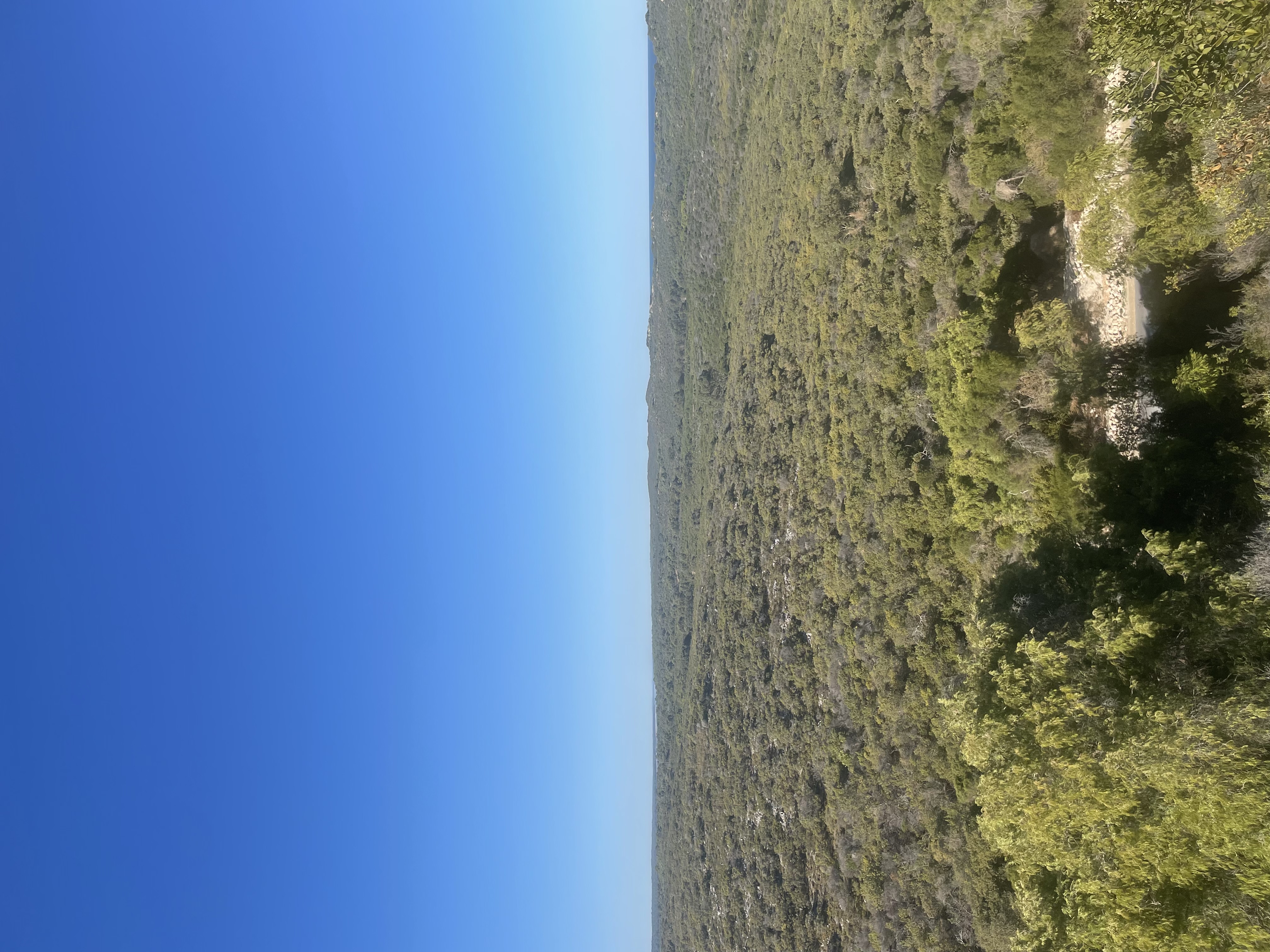
Yalgorup National Park is situated between Bunbury and Mandurah on the Swan Coastal Plain, approximately 100km south of Perth, Western Australia, covering an area of 131.41km2. Within the park lie the iconic Lake Clifton Tunnels, a series of 11 shafts that dug into a limestone hillside & rocky outcrops within Yalgorup National Park, near Preston Beach in Western Australia.
Accessibility
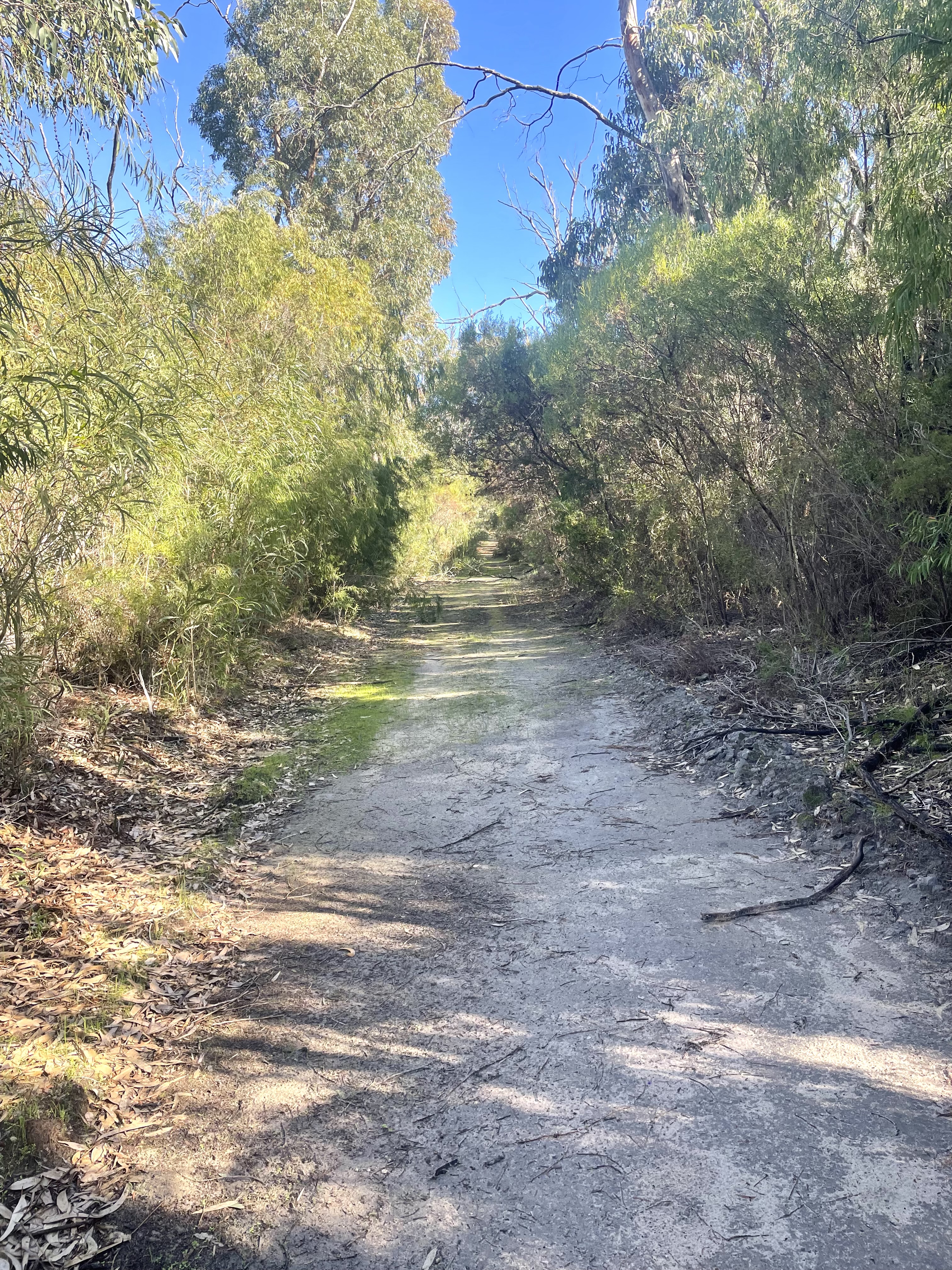
carparksoft surface path
Activities
bird watchingnature photographywalking
Astrophotography potential
No Astrophotography Potential
Astrophotography grade
None
Facilities
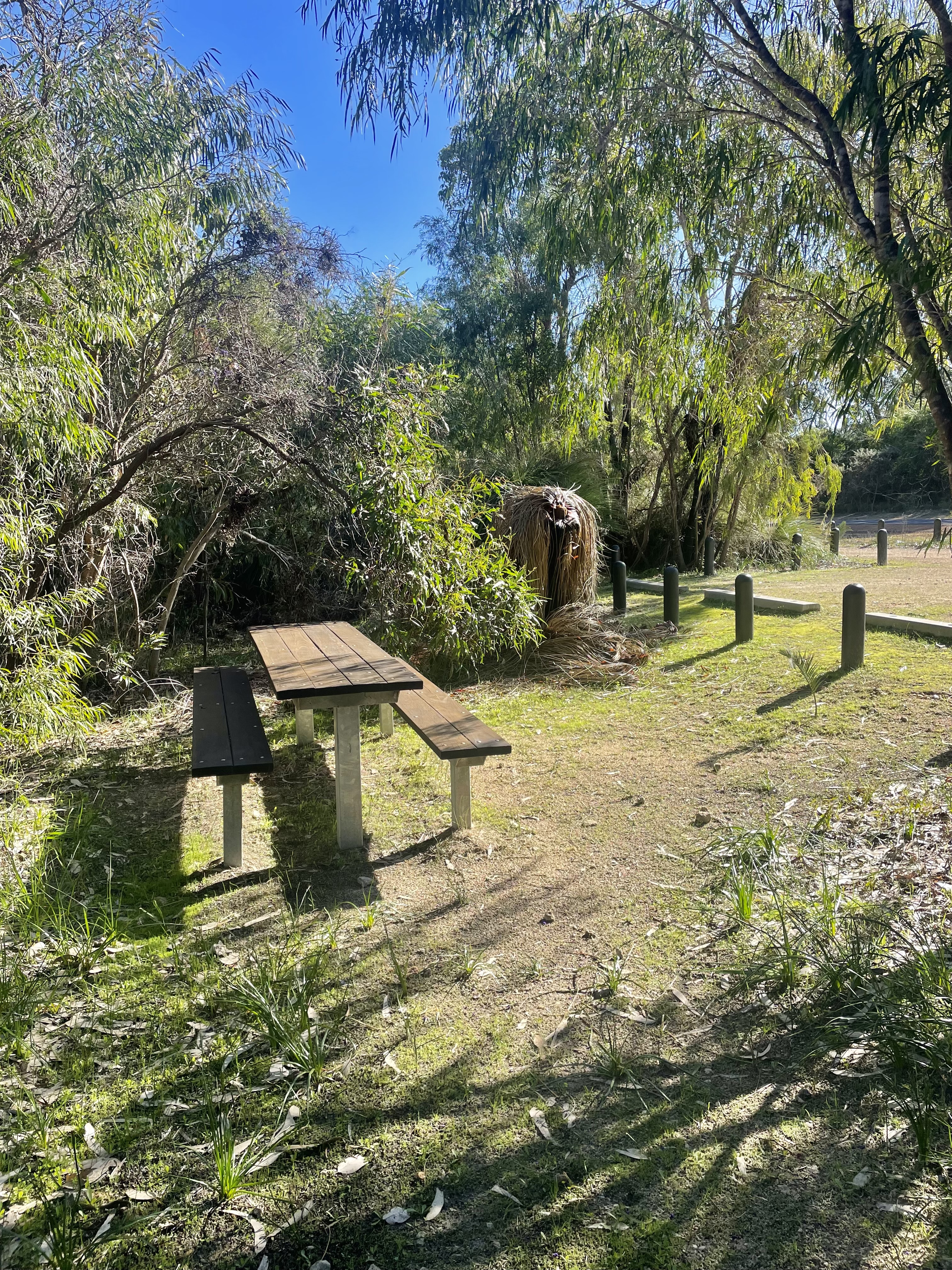
campsitecaravan parkpicnic areaviewing platform
Way finding
No Way Finding Support
Address
Location
Heathlands Walk Trail, Preston Beach Road, Preston Beach, Waroona, Western Australia, 6215, AUS
Land tenure
Yalgorup National Park DBCA
Entry road
Sealed Road (Bi-Directional)
Car park distance (m)
20
Entry fee
No
Infrastructure grade
6
Natural amenity
9
Plumbed infrastructure
No
Visible powerlines
No
Coordinates (lat, lng)
-32.915, 115.696
Food & drink
Vineyard 28, Peel Estate Wines, Redgum Wine Estate, Old Coast Road Brewery
Tours & experiences
Heathlands Walk Trail Hikes
Site Highlights
You may also want to know...
- Yalgorup National Park is situated between Bunbury and Mandurah on the Swan Coastal Plain, approximately 100km south of Perth, Western Australia, covering an area of 131.41km2.
- Within the park lie the iconic Lake Clifton Tunnels, a series of 11 shafts that dug into a limestone hillside & rocky outcrops within Yalgorup National Park, near Preston Beach in Western Australia.
Biotic features
Flora: Yalgorup National Park currently contains five broad vegetation complexes. The park is located along Kooallup Limestone with heathland communities of Wattles, Hakeas, Grevilleas. At the top of the Kooallup ridge are communities rare limestone mallee (Eucalyptus petrensis) and Fremantle mallee (E. foecunda). Fossilised roots (rizoliths) are preserved in the tunnel walls as well as modern day roots growing through the limestone. The Yalgorup Tunnels are surrounded by shrublands typically dominated by a mix of Acacia rostellifera and Olearia axillaris. Stands of A. rostellifera are often even-aged, having regenerated either from seed germination triggered by fire or through sucker growth (CALM, 2005) Fauna: Yalgorup National Park is renowned for its rich birdlife, especially waterbirds and migratory species. These include the Australian shelduck (Tadorna tadornoides), black swan (Cygnus atratus) and banded stilt (Cladorhynchus leucocephalus). Yalgorup supports a variety of reptiles, including tiger snakes (Notechis scutatus) and bobtail lizards (Tiliqua rugosa). The park’s fauna benefits from conservation programs targeting habitat protection, invasive species control, and monitoring of threatened species.
Abiotic features
Yalgorup National Park showcases a remarkable geological record, capturing both historical and ongoing coastal and marine processes that are rare on a global scale. Notably, it contains a Holocene barrier dune running south to north, recognized for its international significance. This stretch of coastline offers an untouched representation of sea level changes spanning the last 200,000 years, preserving Pleistocene landforms, stratigraphy, and geological history. The Heathland Walk Trail traverses over the Kooallup Limestone Ridge within the national park, an area characterised by an accumulation of late Tertiary and Quaternary limestones, sands and clay. In the immediate vicinity of the lakes, soils are estuarine sands and mud. In the remaining area of the Park, soils are sands mostly of marine origin. Yalgorup consists of three parallel chains of interdunal depressions, underlain by calcareous deposits derived from marine shells and Tamala Limestone, which are exposed along some lake edges. These depressions run roughly parallel to the Indian Ocean, about one kilometre to the west, and are associated with the Spearwood and Quindalup Dune Systems. Each of the Yalgorup lakes has unique limnological characteristics and salinity levels, with some variations linked to distinct biogeochemical processes.
Cultural aspects
The name ‘Yalgorup’ comes from the Indigenous terms ‘yalgor,’ meaning swamp or lake, and ‘up,’ meaning place. Archaeological findings, including Indigenous artifacts, have been reported within the park (Dortch et al., 2006). Two sites of regional cultural significance are also located in the Peel–Yalgorup area: a ceremonial site to the north of the park and a cave situated to the east. According to the Yalgorup National Park Management Plan (1995), Calyure, a respected local leader, is believed to have camped within Yalgorup and in areas just north of the park during the summer months. There are local folklore talks of the Yalgorup tunnels being used by smugglers in the 1800’s. Dates carved in the walls of the tunnels go back to at least 1927. Some of the entrances were blown up by locals who feared a Japanese invasion during World War Two, but others remain open even if they are not that easy to find. Currently eight of the tunnels have been located (Globe Vista, 2025).
Extra notes
The trail is in a state of disrepair and needs maintenance. There is no disability access or lookout platform available. Directional signage needs updating.