Bindjareb-Peel Geo Park Guide
Yolka Maya (Warrungup Spring Reserve)
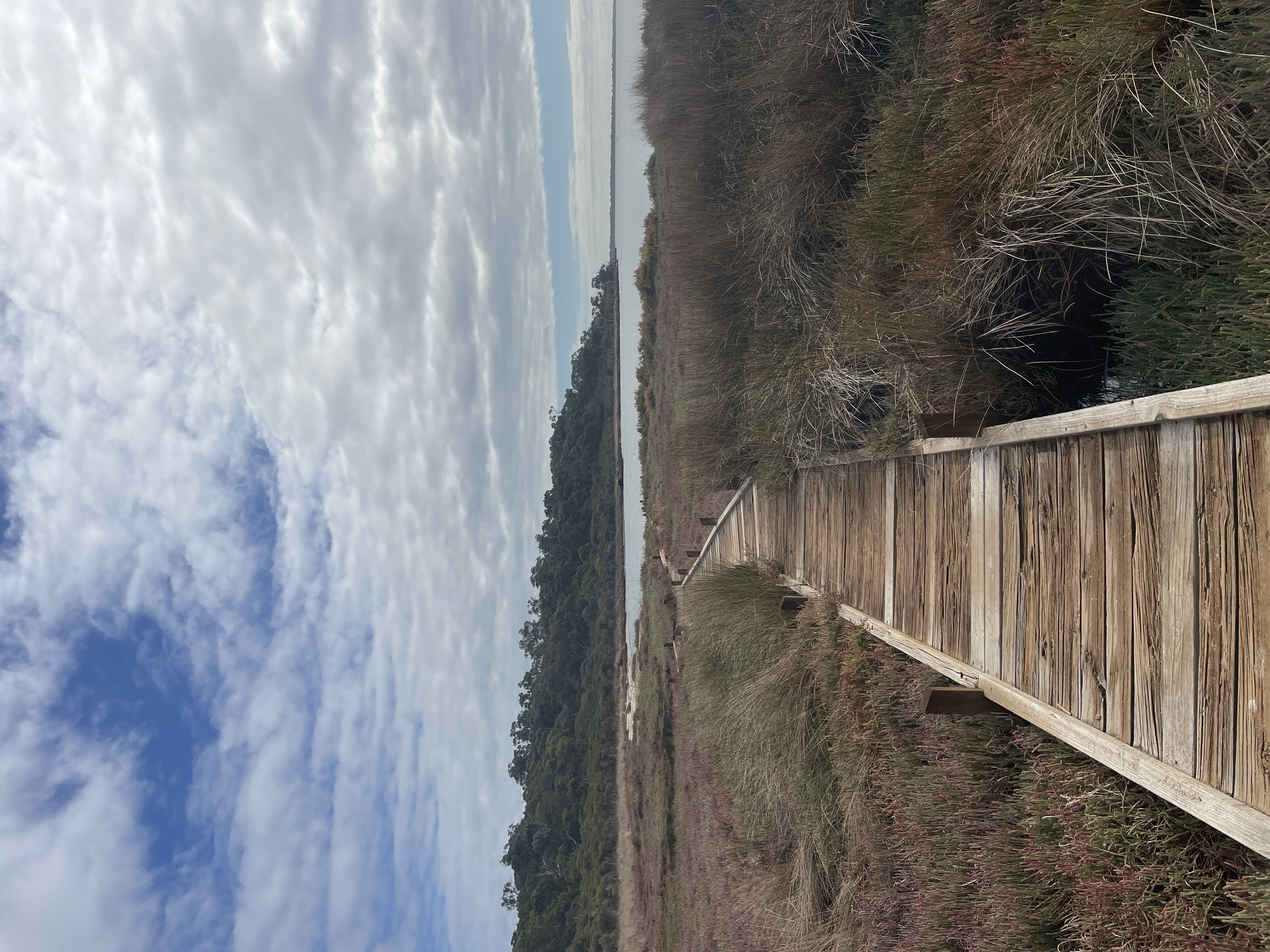
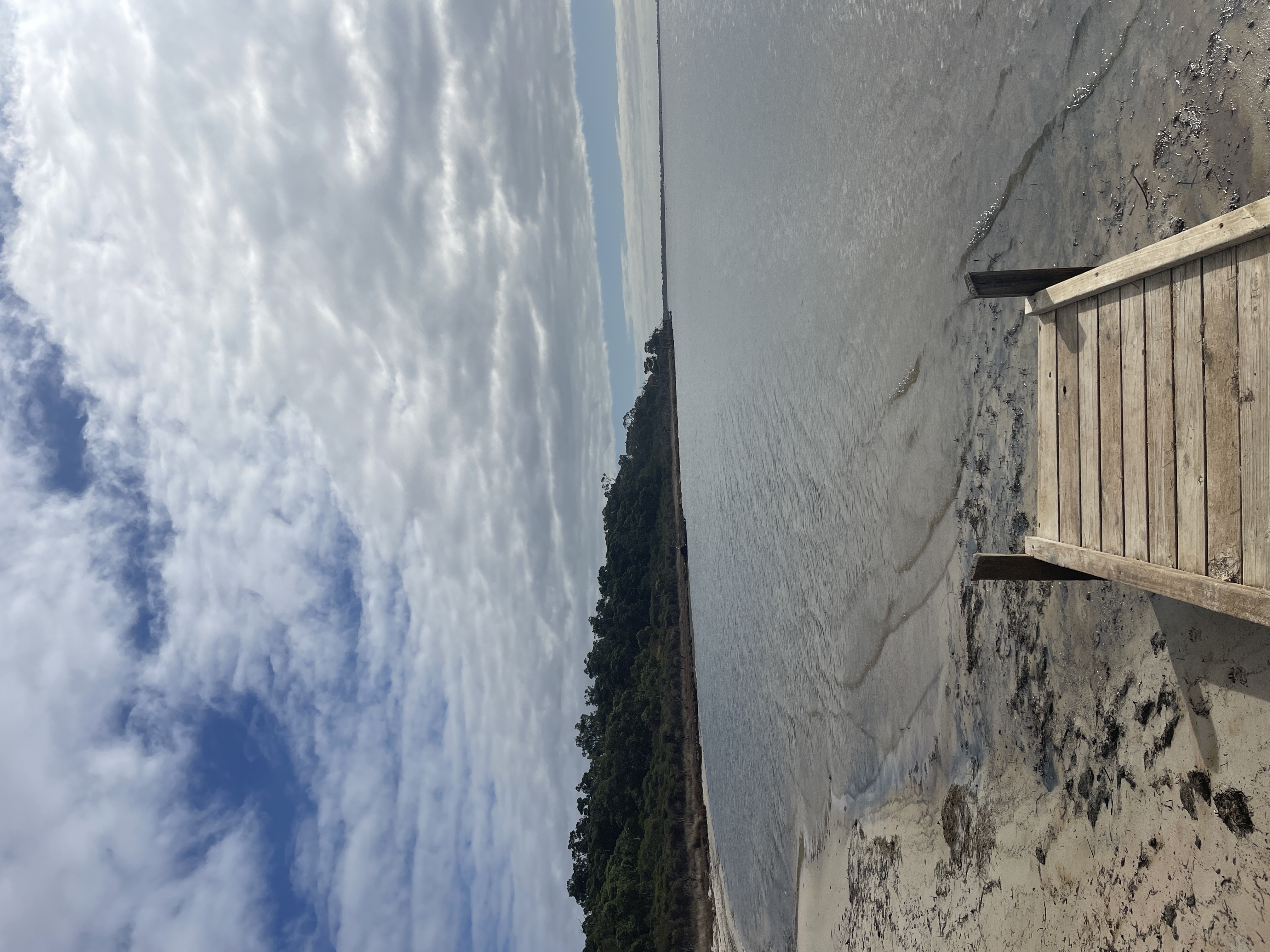
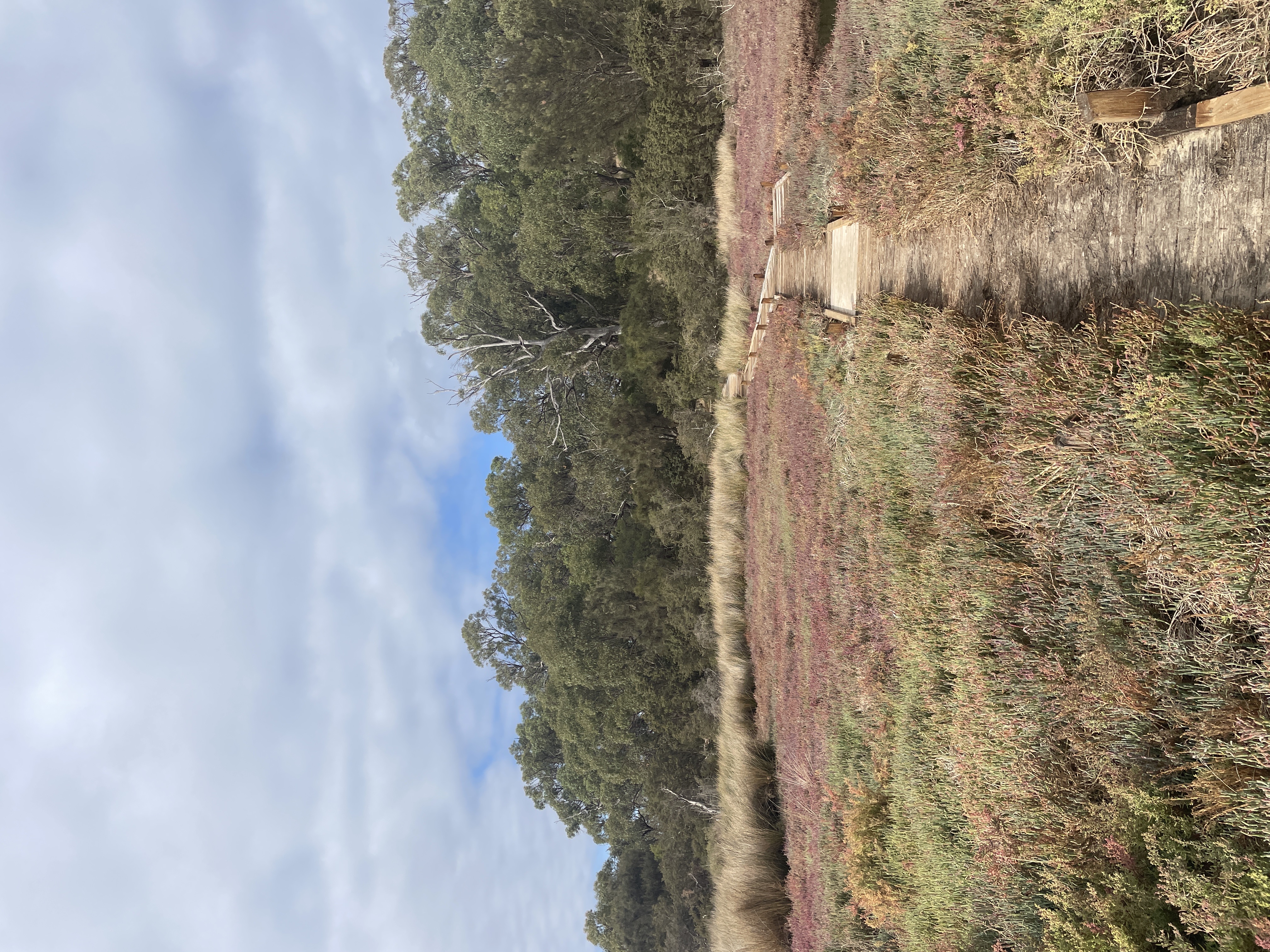
Yolka Maya, more commonly known as Warrungup Spring Reserve, is a sanctuary spanning approximately 32 hectares of preserved native bushland and foreshore. The City of Mandurah has embarked on a journey of rehabilitation and preservation in this area, supported by the Warrangup Spring Reserve volunteer group.
Accessibility
carparkhard surface path
Activities
bird watchingcanoeing kayakingfishingnature photographyswimmingwalking
Astrophotography potential
No Astrophotography Potential
Astrophotography grade
None
Facilities
campsitecaravan parknightime lightingpicnic areatoiletviewing platform
Way finding
No Way Finding Support
Address
Location
Estuary Road, Dawesville, Perth, Western Australia, 6211, AUS
Indigenous community
Bindjareb People
Land tenure
City of Mandurah
Entry road
Unsealed Road (Gravel)
Car park distance (m)
40
Entry fee
No
Infrastructure grade
7
Natural amenity
9
Plumbed infrastructure
Yes
Visible powerlines
No
Coordinates (lat, lng)
-32.644, 115.648
Tours & experiences
Bilya Cultural Trail
Site Highlights
You may also want to know...
- Yolka Maya, more commonly known as Warrungup Spring Reserve, is a sanctuary spanning approximately 32 hectares of preserved native bushland and foreshore.
- The City of Mandurah has embarked on a journey of rehabilitation and preservation in this area, supported by the Warrangup Spring Reserve volunteer group.
Biotic features
Fauna: The reserve is home to a diverse range of flora and fauna, among its inhabitants is the protected carpet python (Morilia spilota imbricata). A variety of waterbirds, including black swans, often drink freshwater at the edge of the spring. Splendid wrens, ospreys, whistling kites, pelicans and cormorants are also observed regulary at the site. Other significant fauna present at the site include quenda, brushtail possums and the critically endangered western ringtail possum.
Flora: The vegetation around the springs includes a mix of banksia and tuart woodlands, it then leads to saltmarshes with saltwater paperbarks. The most dominant species include eucalypt tuart, rudis, saltwater paperbarks and samphire. Understory species such as templetonia and a variety of orchids such as the carousel spider orchid and the donkey orchid are present in the area. Unfortunately, these orchids are outcompeted by weed species following the last fire in the area and populations are on the decline.
Abiotic features
Yolka Maya is perched upon a limestone formation on the Eastern slope of the Mandurah Eaton Ridge. The reserve has significant geological attributes that include exposed Tamala limestone, a freshwater spring and shoreline lagoonal deposits. The Eaton Sand Unit beneath the Mandurah Eaton Ridge hosts an aquifer that is recharged by rainfall and infiltration through the ridge’s karst features. Springs occur along the ridge base and the Harvey Estuary shoreline, providing key discharge points. This site highlights the area’s unique hydrogeology and the interface between its geological units. (Jamie van Jones)
Cultural aspects
Aboriginal: Warrungup Spring Reserve is a significant site in the Bindjareb area, historically important as a birthing place for the Bindjareb yorgas (women). The name "Warrungup" is believed to mean "three become", referring to the location where three streams meet to create the Spring, an essential water source (Yates and Walley, 2005). Warrungup can also bee interpreted to mean "wild water”, a fitting description for the powerful flow seen in winter. This spring has sustained both Aboriginal people and early European settlers, making it a significant site of cultural connection and survival.
Extra notes
Somewhat degraded in areas, a series of large limestone boulders has been placed strategically to prevent vehicle access and allow regeneration of the reserves and foreshore area. Shelters, picnic tables and seating. No BBQ's on site, despite BBQ signage.